Kenya and Tanzania share the Serengeti–Mara ecosystem, the Great Migration, and an abundance of iconic wildlife — yet each country offers a distinctly different safari experience. Choosing between them (or combining both) is one of the most common decisions facing first-time and returning safari travellers. This guide compares them honestly across every factor that matters.
Wildlife and Game Viewing
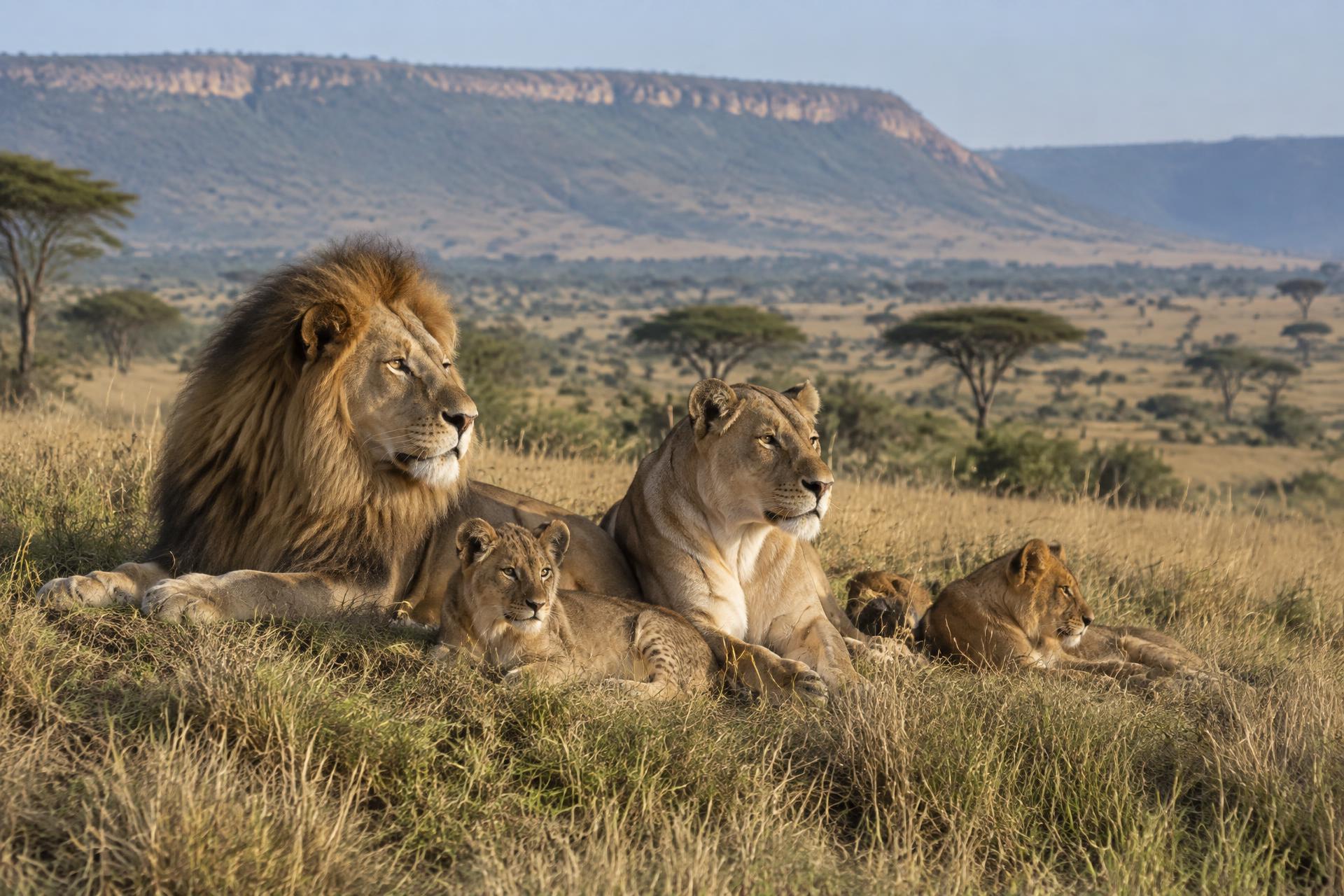
Both countries offer exceptional Big Five game viewing, but the character differs. Kenya's Masai Mara is compact (1,510 km²), concentrating wildlife into a smaller area that makes sightings frequent and reliable. It's particularly renowned for big cat encounters — the Mara has one of the highest densities of lions and cheetahs in Africa. Tanzania's Serengeti is vast (14,763 km²), offering a more expansive, wilderness-immersive experience. The sheer scale means you can drive for hours without seeing another vehicle.
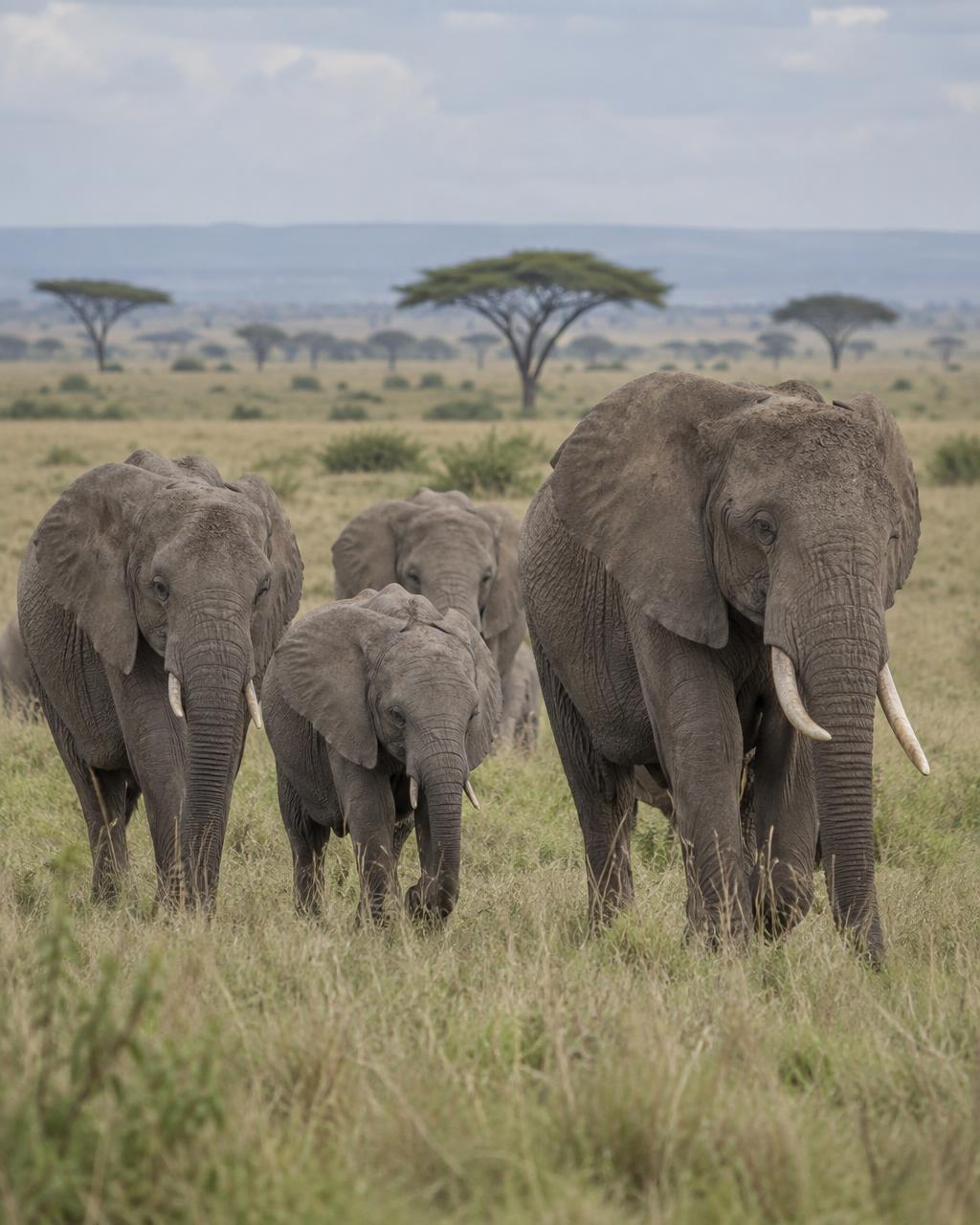
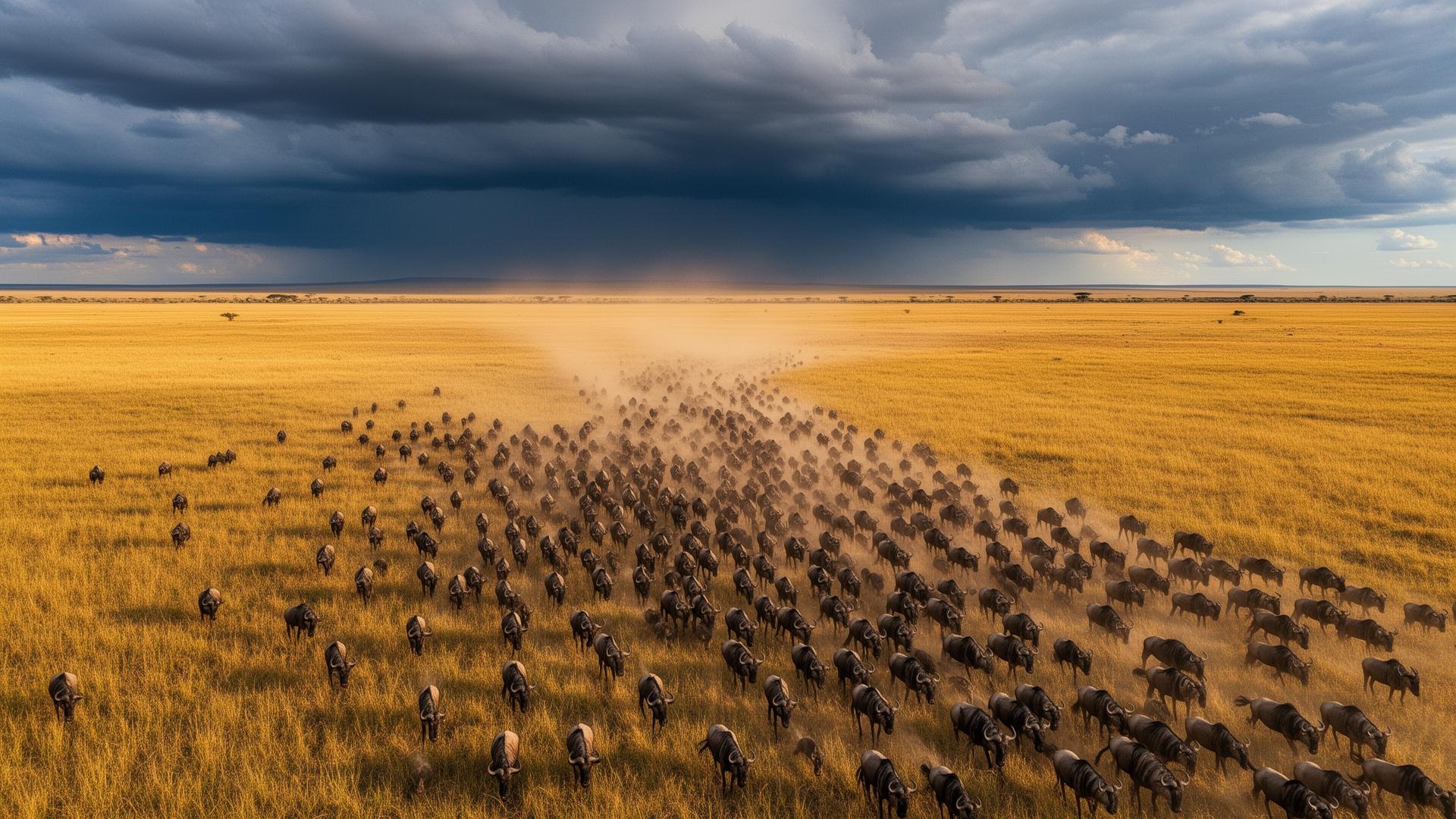
For the Great Migration, Tanzania holds the advantage of hosting the herds for roughly nine months of the year, including the dramatic calving season (January–March) and the Grumeti River crossings (May–June). Kenya's Mara River crossings (July–October) are perhaps the most famous single spectacle, but they occur over a shorter window.
Landscapes and Diversity
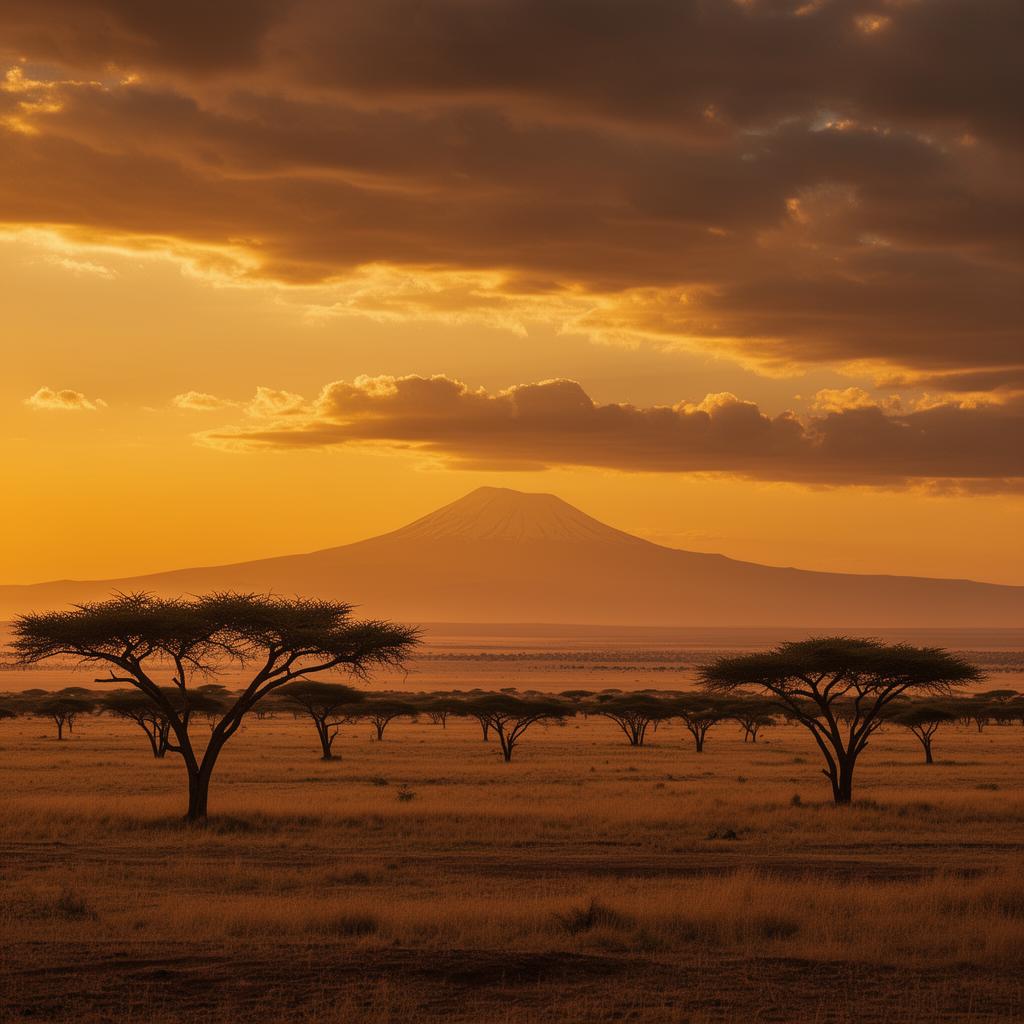
Tanzania offers greater geographic diversity within a single trip. You can combine the endless Serengeti plains with the volcanic bowl of Ngorongoro Crater, the baobab-dotted landscapes of Tarangire, and a Zanzibar beach extension — all within two weeks. Kenya's landscapes are equally beautiful but more uniform, with rolling savannah and scattered acacia trees defining the classic safari aesthetic.
Cost and Value
Kenya generally offers better value for money. Park fees are lower (USD $80/day for the Masai Mara vs USD $82/day for the Serengeti, though Ngorongoro adds USD $295/day crater service fee). Kenya also has more mid-range lodge and camp options, making it accessible to a wider budget range. Tanzania's costs are higher due to larger park fees and the logistical challenges of its vast distances, but you're paying for exclusivity and wilderness scale.
From Australia, expect to budget AUD $5,000–$18,000 per person for a 7–10 day Kenya safari, and AUD $6,000–$20,000 per person for an 8–14 day Tanzania safari, excluding international flights.
Crowds and Exclusivity
Tanzania wins on exclusivity. The Serengeti's size means it absorbs visitors without feeling crowded, and remote camps in the western and southern regions can feel genuinely off-grid. Kenya's Masai Mara is more accessible and more visited, which can mean busier sightings during peak season — though private conservancies bordering the reserve offer an excellent solution with limited vehicle numbers.
Cultural Experiences
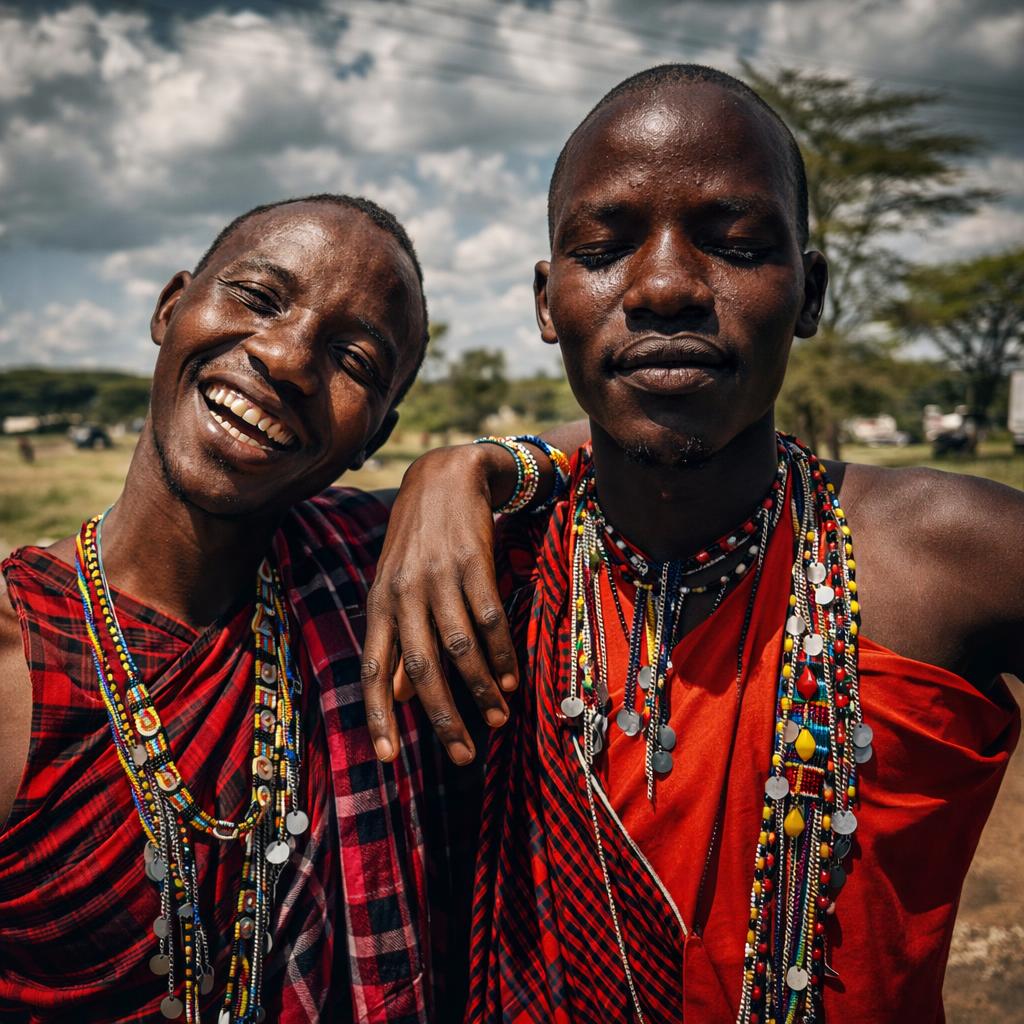
Kenya offers richer cultural immersion, particularly with the Maasai communities who live alongside the wildlife reserves. Authentic village visits, warrior-led bush walks, and cultural homestays are readily available. Tanzania's cultural experiences centre more around the Hadzabe bushmen near Lake Eyasi and the Datoga blacksmiths, offering fascinating but more specialised encounters.
Combining Kenya and Tanzania
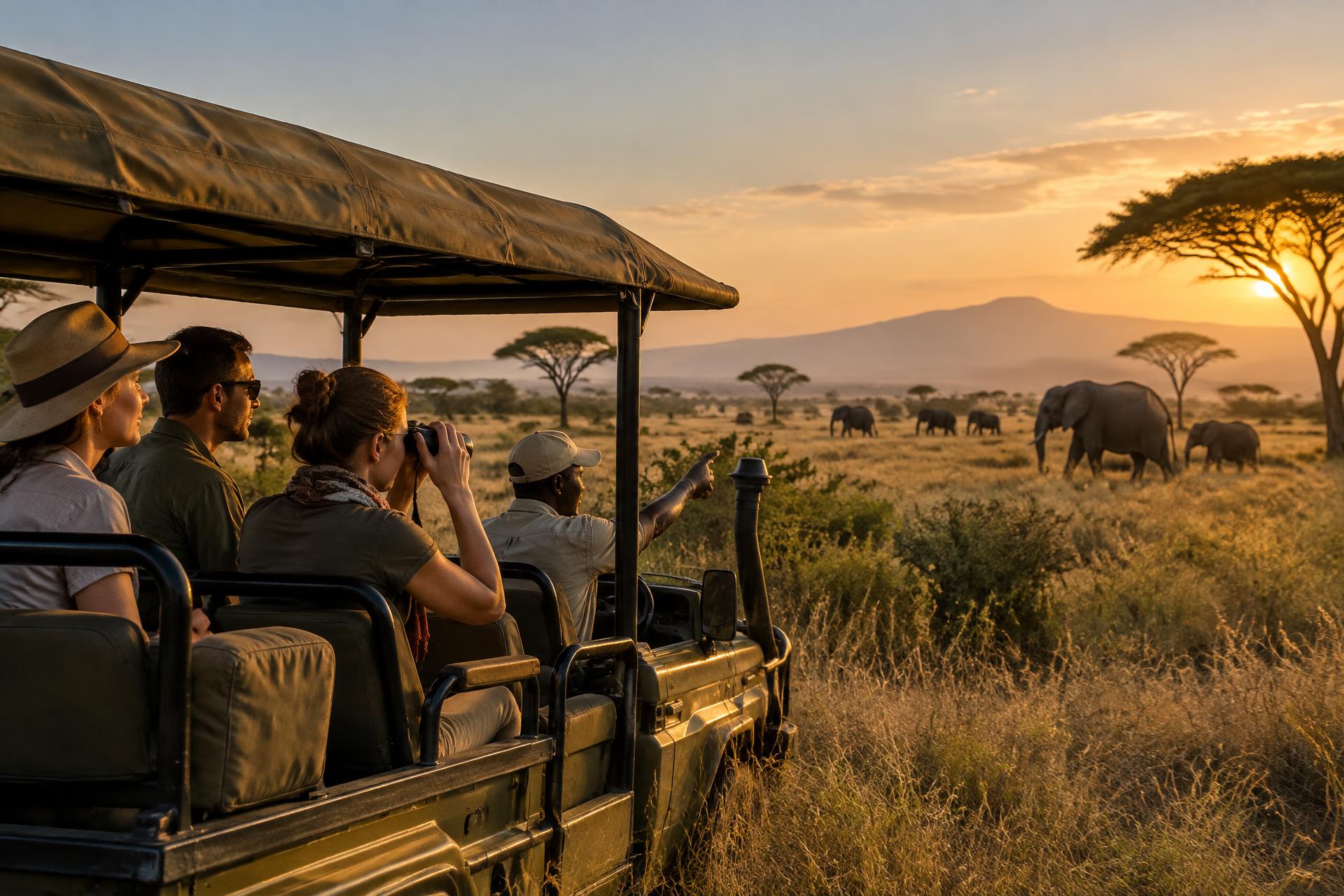
The best option for many travellers is to combine both countries into a single 12–16 day itinerary. A classic combination might include 3–4 nights in the Masai Mara, a flight to the Serengeti for 3–4 nights, 1–2 nights at Ngorongoro Crater, and an optional Zanzibar extension. This gives you the best of both worlds — Kenya's cultural richness and reliable big cat sightings paired with Tanzania's vast wilderness and geological diversity.
The Verdict
Choose Kenya if you want: reliable big cat sightings, Maasai cultural immersion, better value, and a shorter trip (7–10 days). Choose Tanzania if you want: vast wilderness, migration calving season, Ngorongoro Crater, a Zanzibar beach add-on, and a longer trip (10–14 days). Choose both if you have 12+ days and want the ultimate East African safari experience. Contact our team to design your perfect itinerary.
Frequently Asked Questions
Which is better for safari, Kenya or Tanzania?
Kenya offers reliable big cat sightings, Maasai cultural immersion, and better value (AUD $5,000–$18,000 for 7–10 days). Tanzania offers vast wilderness, the calving season, Ngorongoro Crater, and Zanzibar beach extensions (AUD $6,000–$20,000 for 8–14 days). Many travellers combine both.
Can you combine Kenya and Tanzania safaris?
Yes. A classic 12–16 day combination includes 3–4 nights in the Masai Mara, a flight to the Serengeti for 3–4 nights, 1–2 nights at Ngorongoro Crater, and an optional Zanzibar extension.
Which country has the Great Migration?
Both. The Great Migration follows a circular route through Tanzania (9 months) and Kenya (3 months). Tanzania hosts the calving season (Jan–Mar) and Grumeti crossings (May–Jun). Kenya hosts the dramatic Mara River crossings (Jul–Oct).