After more than 20 years travelling throughout Africa, and more than 15 years working professionally as an African travel specialist, I have learned that Africa isn't a destination you can truly understand from a brochure or a Google search.
I have travelled through 15 African countries, made my own mistakes, discovered extraordinary places, worked alongside local communities and built relationships with guides, lodges and operators. That firsthand experience now shapes every journey we create at Travel to Africa.
Leonie Cox has explored 15 African countries over more than 20 years. Travel to Africa now specialises in nine: Kenya, Tanzania, Rwanda, Uganda, Zambia, Zimbabwe, Botswana, Namibia and South Africa, favouring small pop-top 4WD vehicles with four guests, consistent local driver-guides, and lodges chosen above all for their location.
Africa isn't a destination you can truly understand from a brochure or a Google search.
Leonie Cox
How did Travel to Africa begin, and what were you doing before it?
My relationship with Africa began in 2004 when I first travelled to Tanzania. Before that trip, most of what I knew about Africa came from mainstream media in Australia, which wasn't much.
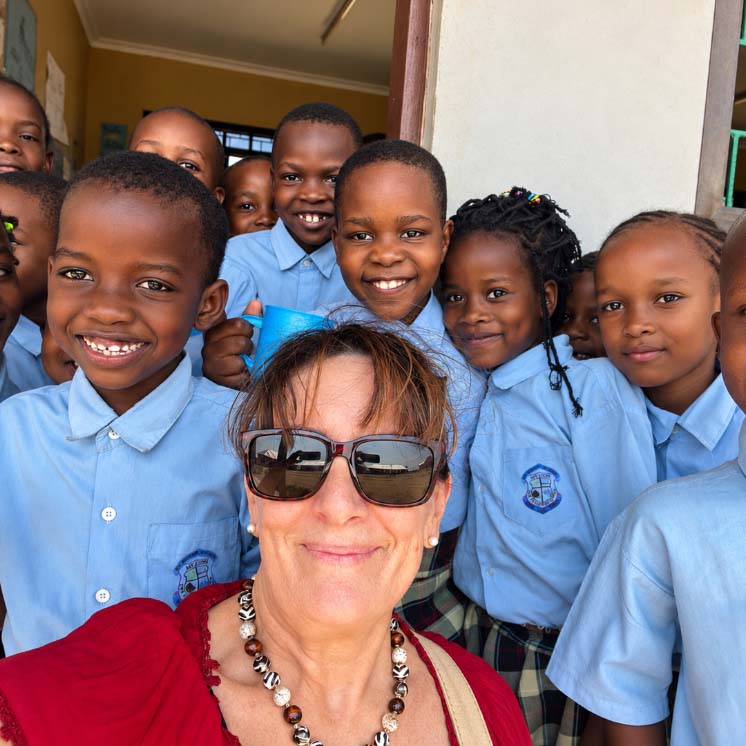
A friend had asked me to help with marketing to raise funds for a secondary school in Kagera, a very remote part of Tanzania. That involvement eventually led to the establishment of the Australian NGO Katoke Trust, with the boarding school for disadvantaged but academically talented children opening in 2009, and a career change for me.
My life before Africa was very different! I was the National Business Development Manager for iconic Australian company Hills Holdings, famous for the Hills Hoist. I was a self-confessed "girlie girl" who didn't particularly enjoy camping and was far more concerned about having access to my hair straightener.
I began returning to Africa every year, exploring different countries, safari regions and styles of travel. Gradually, what began through community work became a passion and ultimately a career. Today, that experience underpins Travel to Africa. I don't recommend somewhere simply because I've seen a photograph or read about it. Wherever possible, our recommendations come from firsthand experience and trusted people on the ground.
Which African countries have you travelled in yourself, and which do you know best?
Over more than 20 years, I have personally explored 15 African countries and territories:
- East Africa: Kenya, Tanzania, Zanzibar, Rwanda, Uganda, Burundi and Ethiopia
- Central Africa: Central African Republic and Congo
- Southern Africa: South Africa, Botswana, Namibia, Zimbabwe and Zambia
- North Africa: Morocco
That experience has taught me what works, what doesn't, where distances on a map can be deceiving and, importantly, where to travel and when.
Travel to Africa now concentrates primarily on nine countries: Kenya, Tanzania, Rwanda, Uganda, Zambia, Zimbabwe, Botswana, Namibia and South Africa. Specialising is important. Africa is enormous and incredibly diverse. I would rather tell a client, "This is what we know exceptionally well," than pretend to be an expert everywhere.
What does your safari planning process look like, and what do you check that first-timers wouldn't think to?
We start with the traveller, not the itinerary. Whether someone is planning their first African adventure or their fifth safari, we want to understand their interests, budget, preferred pace, fitness level and what they actually dream of experiencing.
Some travellers want slow travel, beautiful lodges and long game drives. Others want Kilimanjaro, gorilla trekking, white-water rafting, balloon safaris, horse riding, waterfalls or quad-bike adventures.
Then come the details first-time visitors may not consider:
- Realistic driving times and road conditions
- Seasonal wildlife movements
- Luggage restrictions and vehicle configuration
- Where the accommodation actually sits in relation to the wildlife
- Medical preparation and travel insurance
- Whether the itinerary is simply trying to squeeze too much into too little time
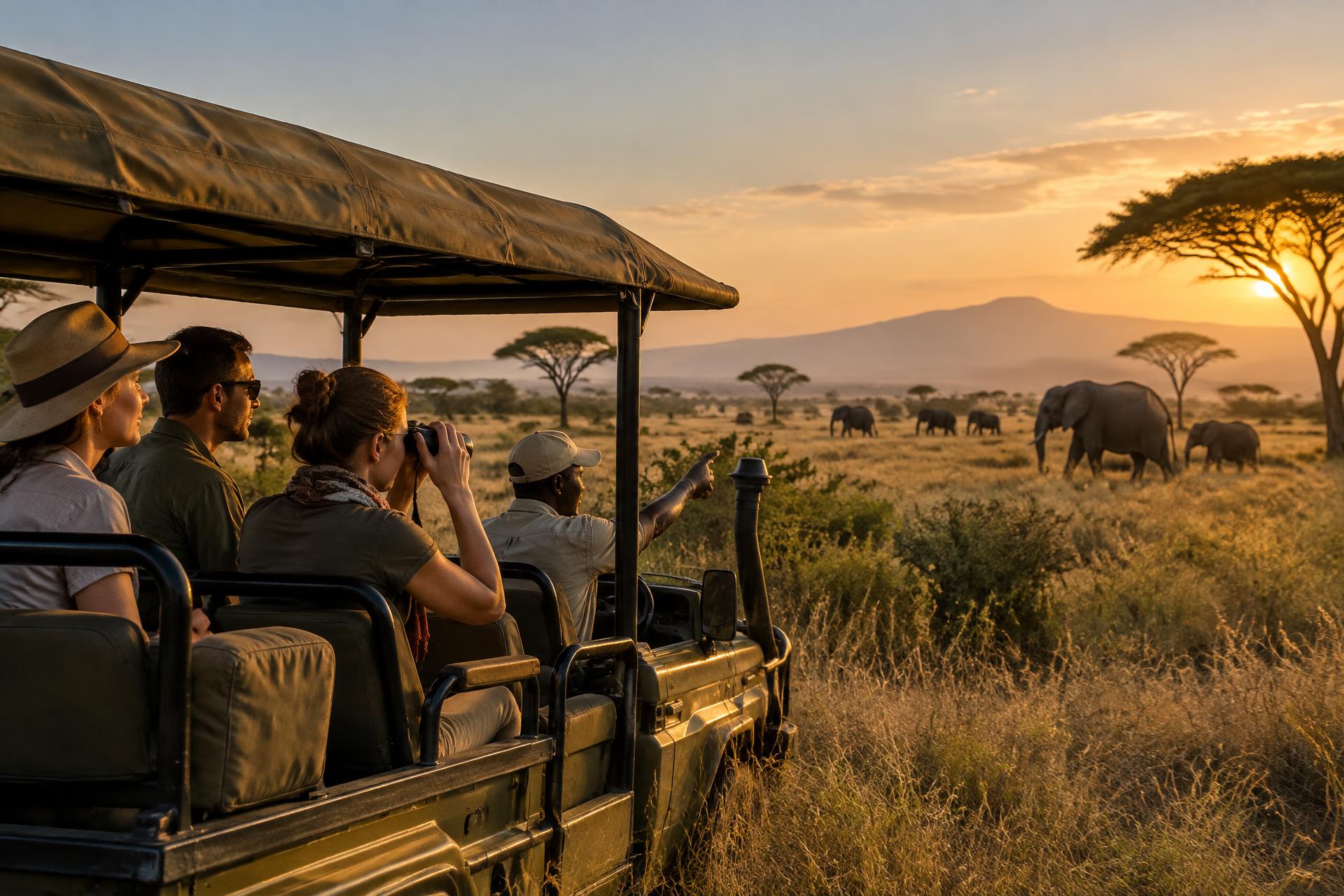
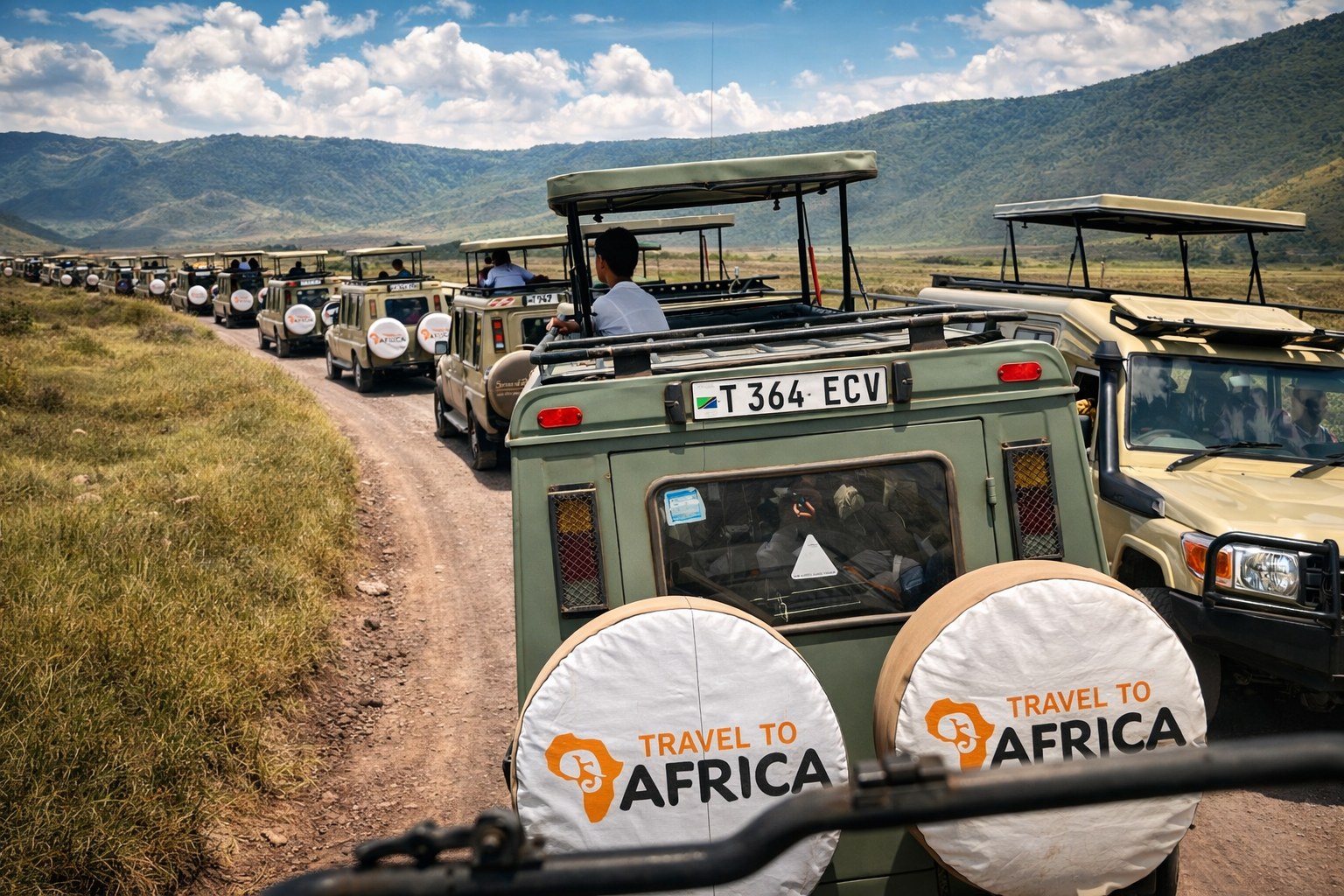
One of our biggest differences is continuity. Wherever practical, our clients travel with the same professional local driver-guide in a quality pop-top 4WD. We generally place only four guests in a safari vehicle so everyone has a window seat.
Africa should never feel like ticking destinations off a list. It should leave you with stories you'll still be telling around the dinner table years later.
What are the biggest mistakes or misconceptions you see when people plan a safari?
Not listening to professional advice is probably the biggest. Visit a travel doctor, take out comprehensive travel insurance and read the policy conditions. Over the years we have managed medical evacuations, sometimes following an accident and sometimes because a traveller has unexpectedly developed a temperature or become unwell. We always err on the side of caution, particularly with children. If Tanzania is on your list, read our guide to Tanzania's new compulsory entry insurance.
Packing is another common mistake. You simply don't need enormous amounts of luggage:
- We teach our clients how to travel for several weeks with less than 15 kg
- Choose a soft-sided safari bag rather than a large hard-shell suitcase
- Pack lightweight, breathable, quick-drying clothes in neutral colours such as khaki, cream, tan and olive. They blend into the environment, cope better with dust and are practical in warm conditions
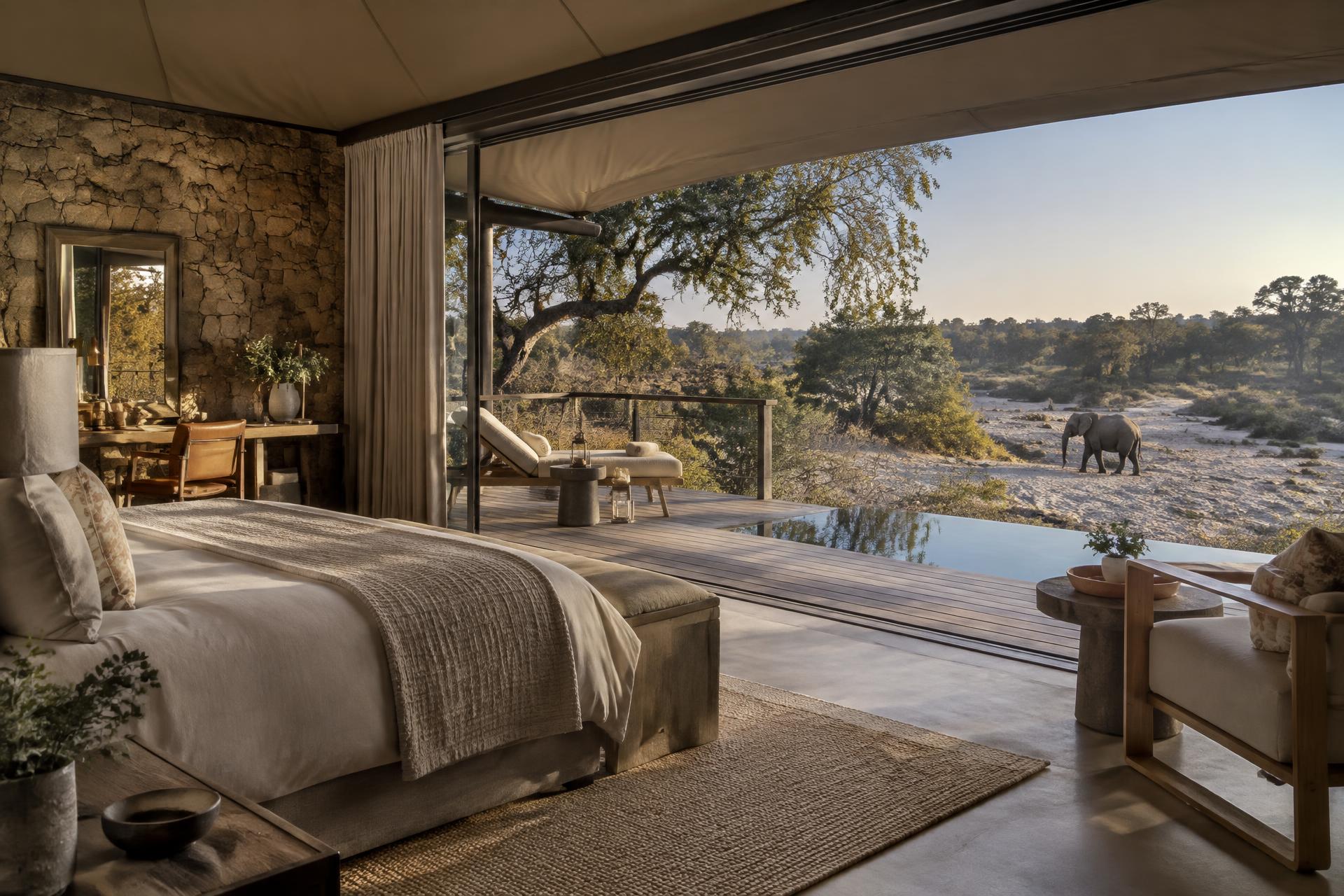
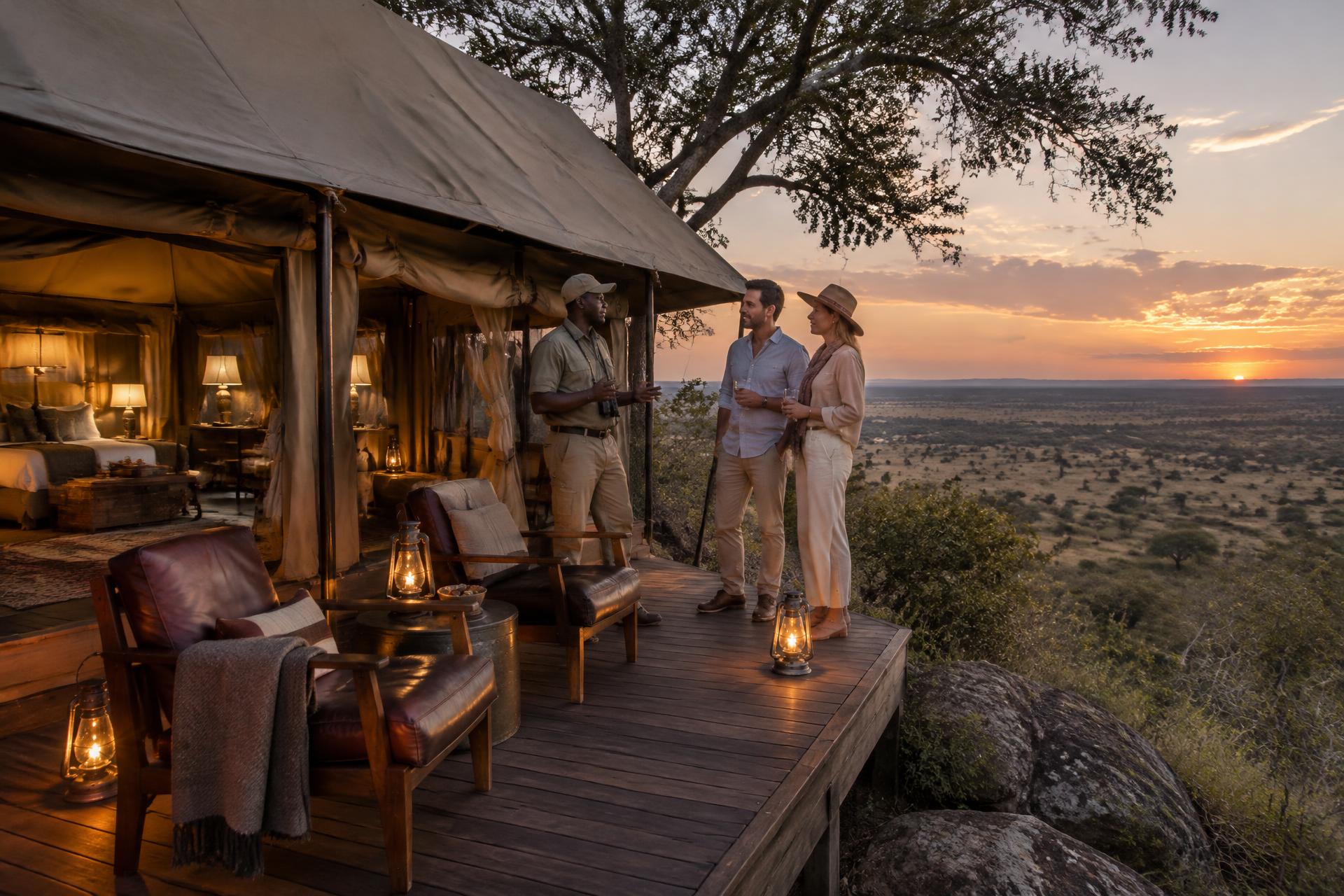
And don't assume luxury in Africa means a conventional five-star hotel. Some of Africa's most extraordinary accommodation is a permanent tented camp with a proper bed, beautiful linen, an ensuite bathroom and wonderful food, while wildlife roams nearby. Browse the lodges and camps we work with to see the range.
What are your specialist areas, and why those?
Our core expertise covers private safaris, premium small escorted groups, families, couples, honeymoons, gorilla trekking and Kilimanjaro adventures. I generally explain our destinations as two broad regions.
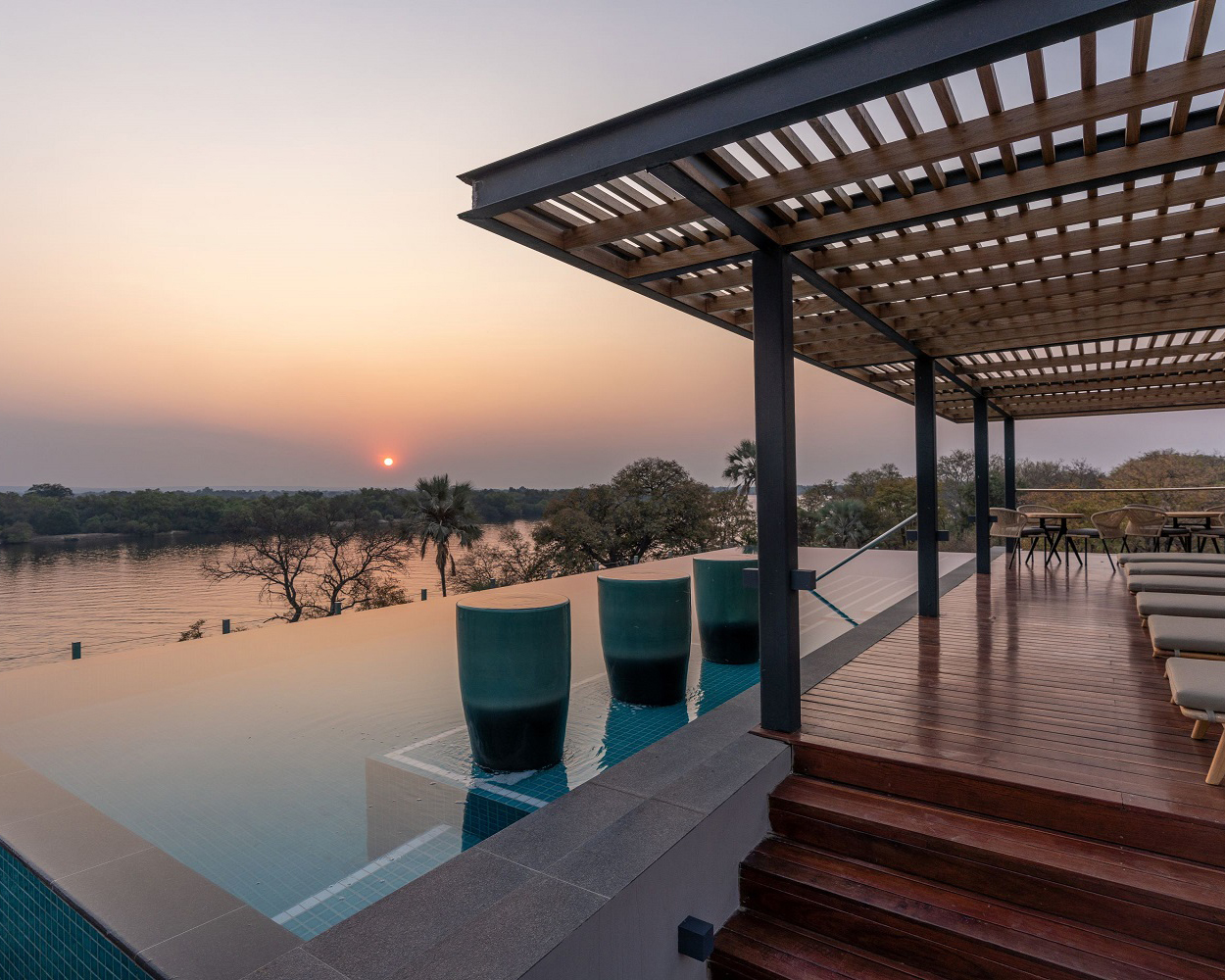
Southern Africa, meaning South Africa, Botswana, Namibia, Zimbabwe and Zambia, offers extraordinary diversity. You can combine Big Five safaris with Botswana's Okavango Delta, walking safaris in Zambia, Victoria Falls, Namibia's deserts, South Africa's Cape Winelands, golf, marine experiences and incredible food.
East Africa, particularly Kenya, Tanzania, Rwanda and Uganda, together with islands such as Zanzibar, delivers some of Africa's most iconic wildlife experiences. This is the home of the Serengeti-Mara ecosystem and the Great Migration, the Ngorongoro Crater and extraordinary primate experiences including mountain gorillas and chimpanzees. Add Kilimanjaro, the Great Rift Valley, Indian Ocean islands and fascinating cultures, and you can create remarkably diverse journeys.
The important thing is matching the destination to the person. There is no single "best safari". The best safari is the one designed around you, at the right time of year.
What's one trip or moment that changed how you plan or recommend Africa travel?
Changing the way our clients travel on safari was probably the biggest turning point for me. In our earlier years, we booked some clients on larger overland trucks carrying 16 to 20 or more passengers. They could be excellent for budget-conscious travellers, but we repeatedly heard similar comments from clients on their return: "Africa was amazing, but next time we want to do it properly, and we're already planning to go back."
That changed my thinking and the direction of our company. Today, we favour smaller pop-top 4WD safari vehicles, organise private safaris and intimate small group travel, and choose carefully selected lodges and permanent tented camps.
My mantra when selecting accommodation is simple. Comfort and a lodge's extras form part of why we choose our partners, but equally if not more important is location, location, location. A beautiful lodge is wonderful, but if you spend hours every day driving just to reach the wildlife, you've sacrificed valuable safari time. I'd rather put clients in an excellent property in an exceptional location.
The same applies to vehicles. Comfort matters when you may spend many hours on safari. Smaller 4WDs offer better wildlife viewing, greater flexibility and a much more personal relationship with your guide.
Spending more doesn't automatically create a better safari. Spending wisely does.
Leonie Cox
After more than two decades travelling Africa, that lesson now shapes every journey we plan. Compare value for money, check every inclusion, and book with the right company. Choose the right location, the right season, the right guide, the right vehicle and the right pace.
Africa has an extraordinary ability to get under your skin. My role, and that of our team, is to use decades of firsthand knowledge to make sure our clients experience it safely, comfortably and authentically, and return home already dreaming about when they can go back.
Continue planning with Leonie's team
- Kenya safaris
The Masai Mara, big cats and the Mara River crossings.
- Tanzania safaris
The Serengeti, Ngorongoro Crater and Zanzibar.
- Gorilla trekking
Mountain gorillas and chimpanzees in Rwanda and Uganda.
- Kilimanjaro climbs
Africa's highest peak, planned with care.
- Botswana, Namibia and South Africa
The diversity of Southern Africa, from the Okavango to the Cape.
- Our lodges and camps
Properties chosen for location as much as comfort.
- Private safari vs small group
Which travelling style suits you.
- Family safaris
Travelling to Africa with children.
- Safari packages
Escorted small group departures and tailor-made journeys.
- Estimate your budget
Sketch a realistic figure in Australian dollars.
- Talk to our team
Start planning your journey with us.
Frequently Asked Questions
Who is Leonie Cox?
Leonie Cox is Founder of Travel to Africa, an Australian African safari specialist. She has travelled Africa for more than 20 years, explored 15 African countries and helped establish the Australian NGO Katoke Trust in Tanzania.
Which countries does Travel to Africa specialise in?
Nine: Kenya, Tanzania, Rwanda, Uganda, Zambia, Zimbabwe, Botswana, Namibia and South Africa, plus islands such as Zanzibar.
How many guests travel in a Travel to Africa safari vehicle?
Generally only four guests in a quality pop-top 4WD, so everyone has a window seat, usually with the same professional local driver-guide throughout.
How much luggage should I take on safari?
Less than 15 kg in a soft-sided safari bag is enough for several weeks, with lightweight, quick-drying clothes in neutral colours such as khaki, cream, tan and olive.