Tanzania is a year-round safari destination, but the experience changes dramatically with the seasons. Understanding when to visit — and what you'll witness in each month — is the single most important decision you'll make when planning a Tanzanian safari. This guide breaks down every season so you can choose the perfect window for your adventure.
Dry Season: June to October
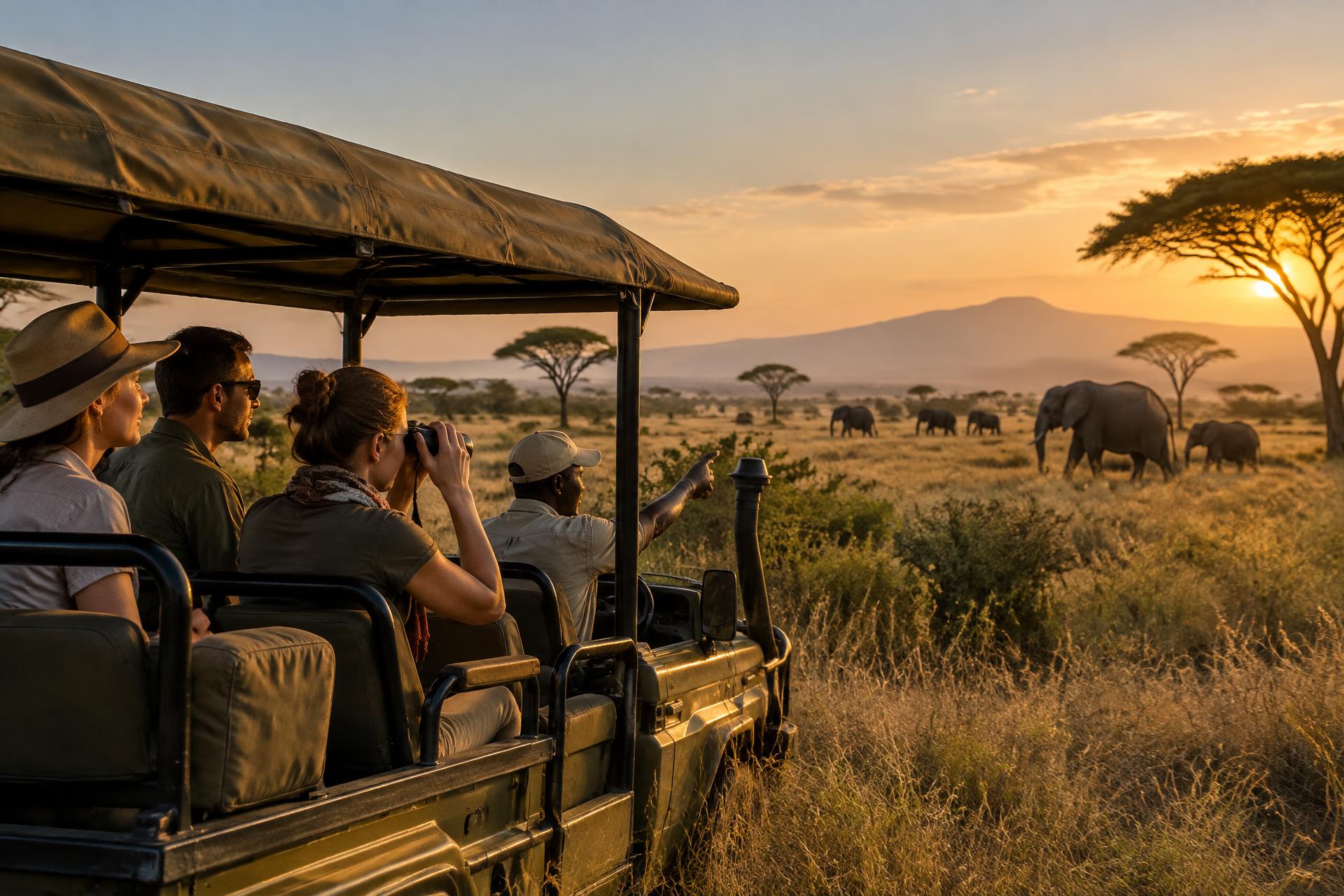
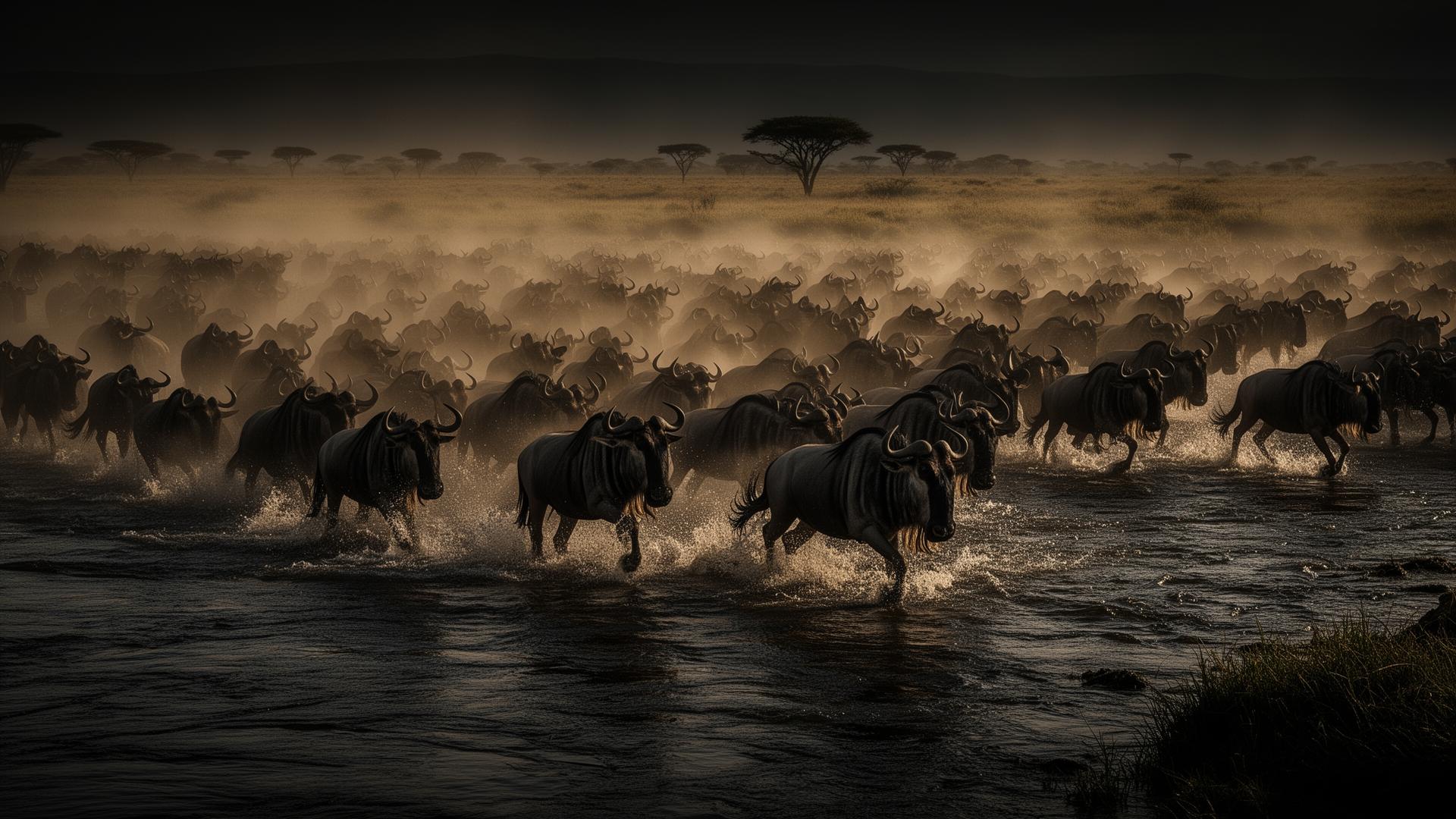
The dry season is Tanzania's peak safari period and for good reason. Vegetation thins as water sources shrink, forcing wildlife to congregate around rivers and permanent waterholes. Game viewing is at its most reliable, with the Big Five — lion, leopard, elephant, buffalo, and rhino — easier to spot against sparse bush. The Serengeti's northern plains come alive with the Great Migration river crossings from July, while the Ngorongoro Crater offers extraordinary predator density year-round.
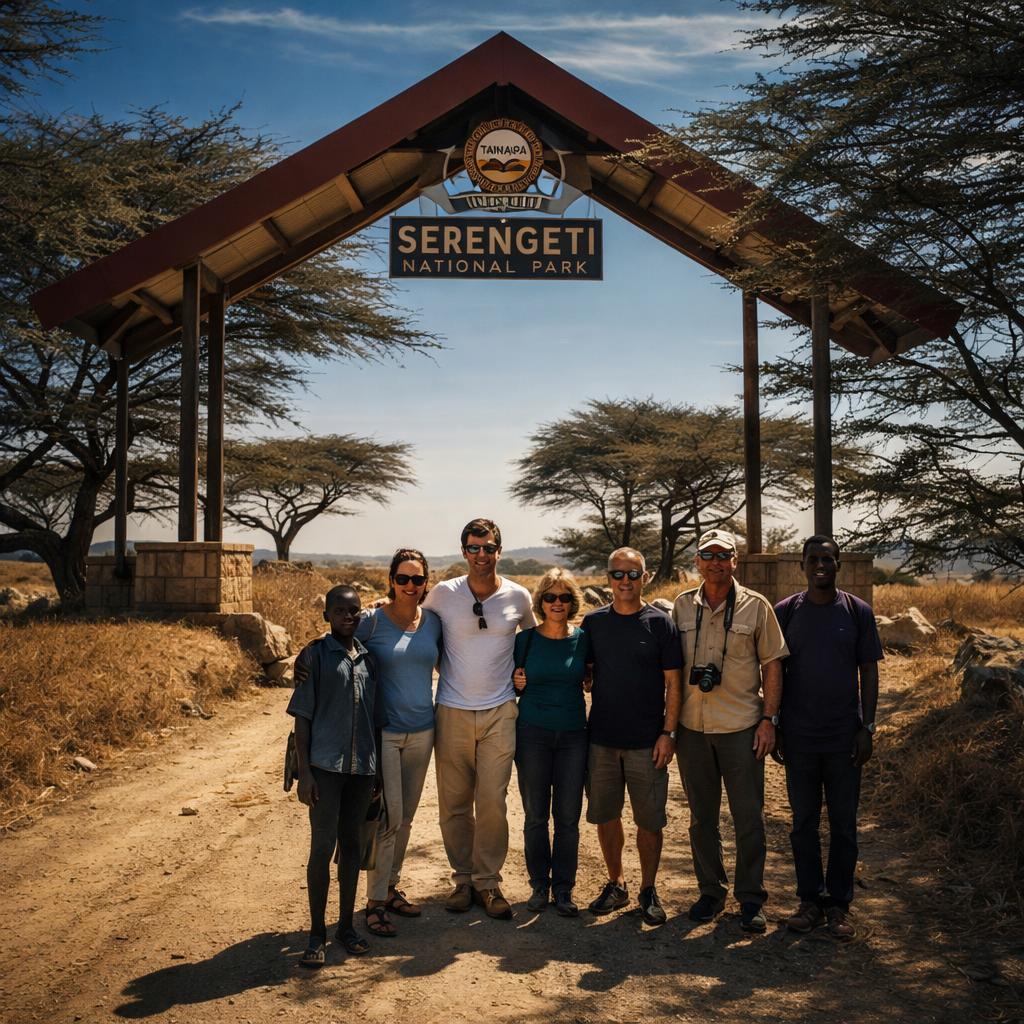
Temperatures are pleasant — warm days around 25–28°C and cool nights dropping to 10–15°C at higher elevations. Skies are clear and dust-free mornings deliver exceptional photography conditions. This is also the busiest period, so booking 6–12 months ahead is essential for the best lodges.
Calving Season: January to March
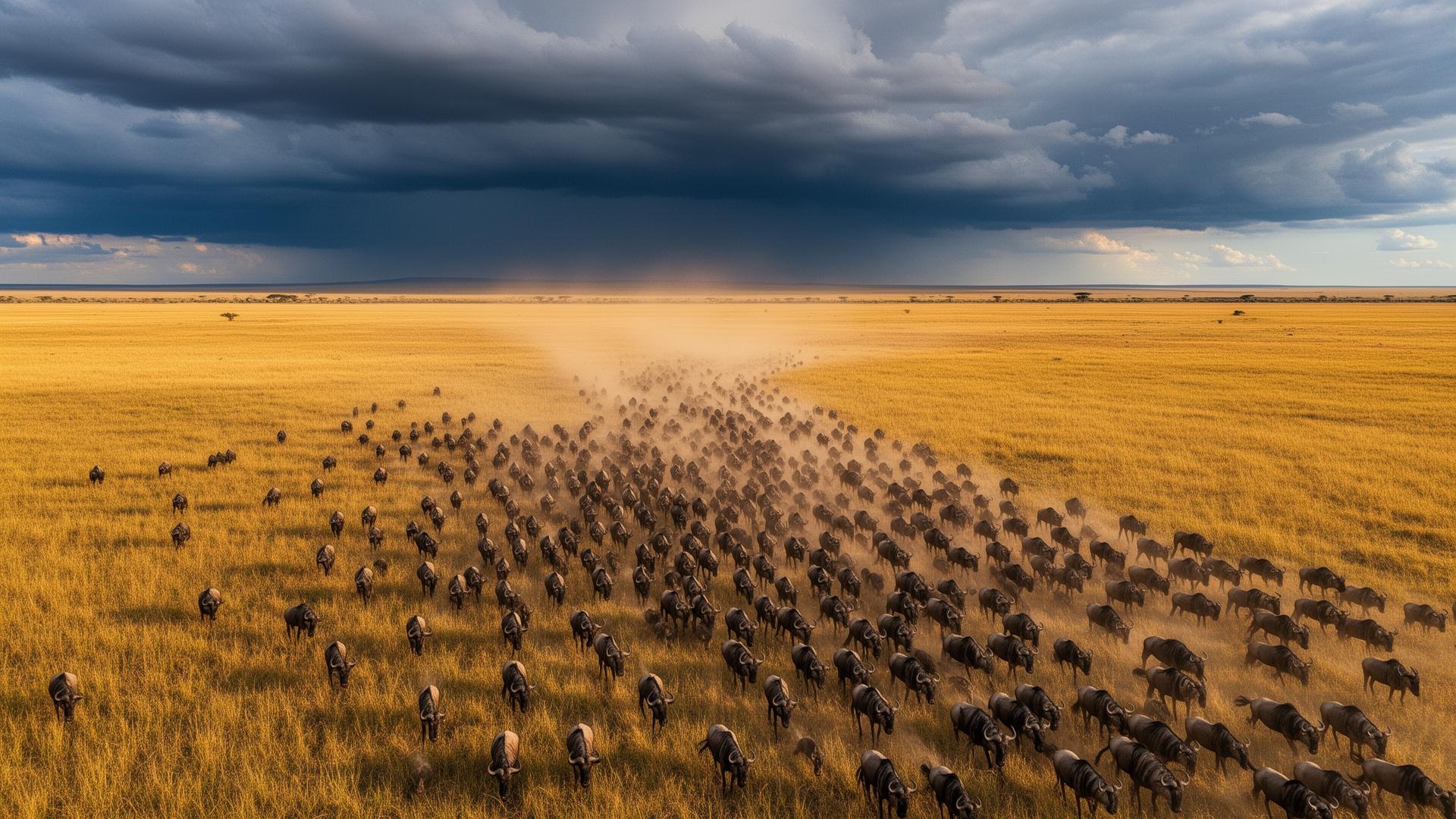
The southern Serengeti and Ndutu area transform into an immense wildlife nursery from late January through March. Around 500,000 wildebeest calves are born in a synchronised event lasting just a few weeks — roughly 8,000 per day at the peak. The sheer abundance of vulnerable young attracts every predator on the plains: lion prides, cheetah coalitions, hyena clans, and wild dogs converge for some of Africa's most dramatic hunting action.
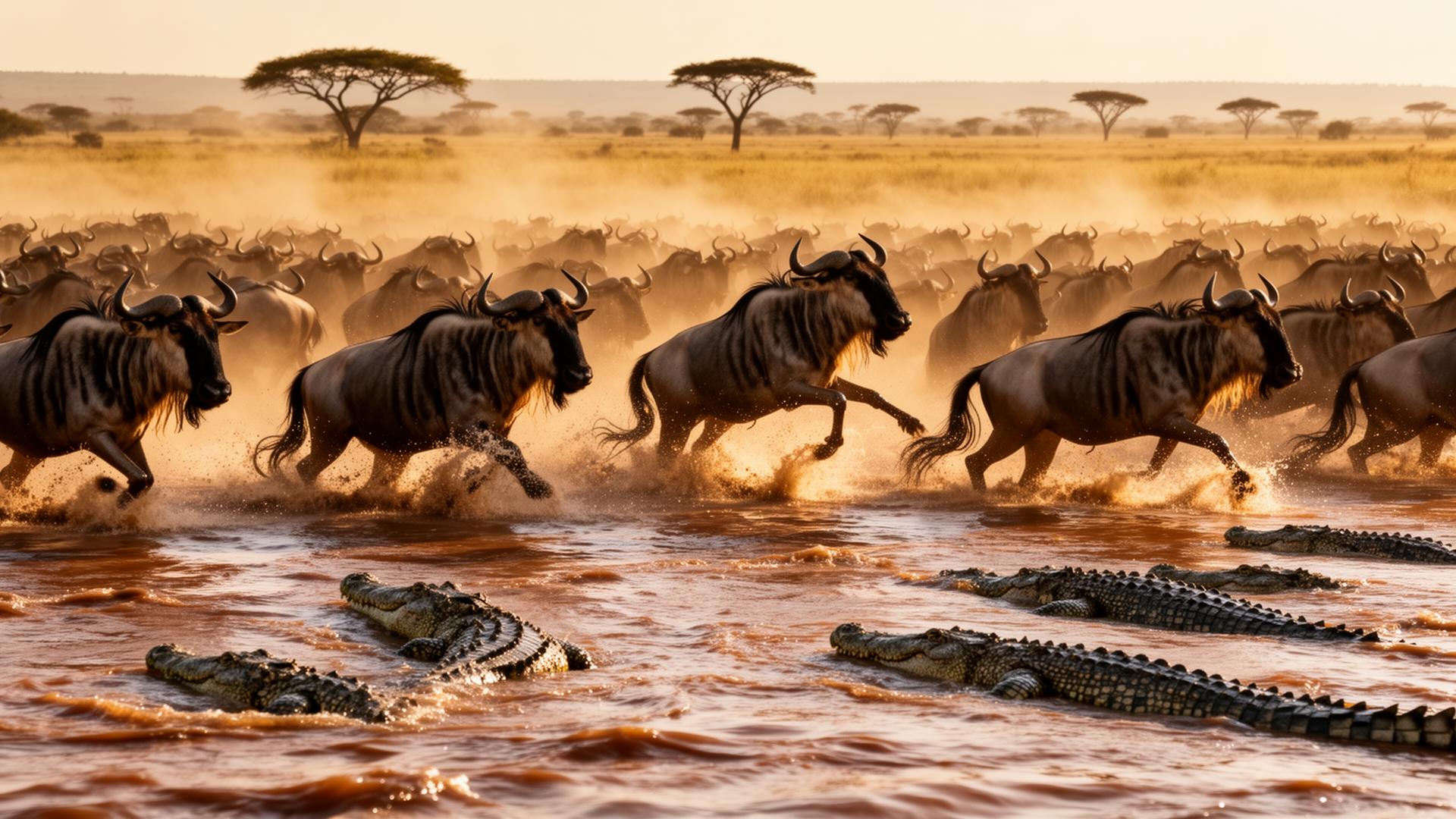
Calving season is also superb for photography. The short-grass plains stretch endlessly to the horizon, offering clean backgrounds and golden light. Green-season storms build towering cumulus clouds that create cinematic backdrops. Accommodation rates are lower than peak dry season, making this an excellent value period for experienced safari-goers.
Green Season: November to May
Often called the 'emerald season,' this period blankets Tanzania in lush green vegetation and brings migratory birds, newborn animals, and dramatic skies. While some roads become challenging, the reward is a quieter, more intimate safari experience at significantly lower prices. Lodges that charge USD $2,000 per night in peak season may drop to $1,200 or less.
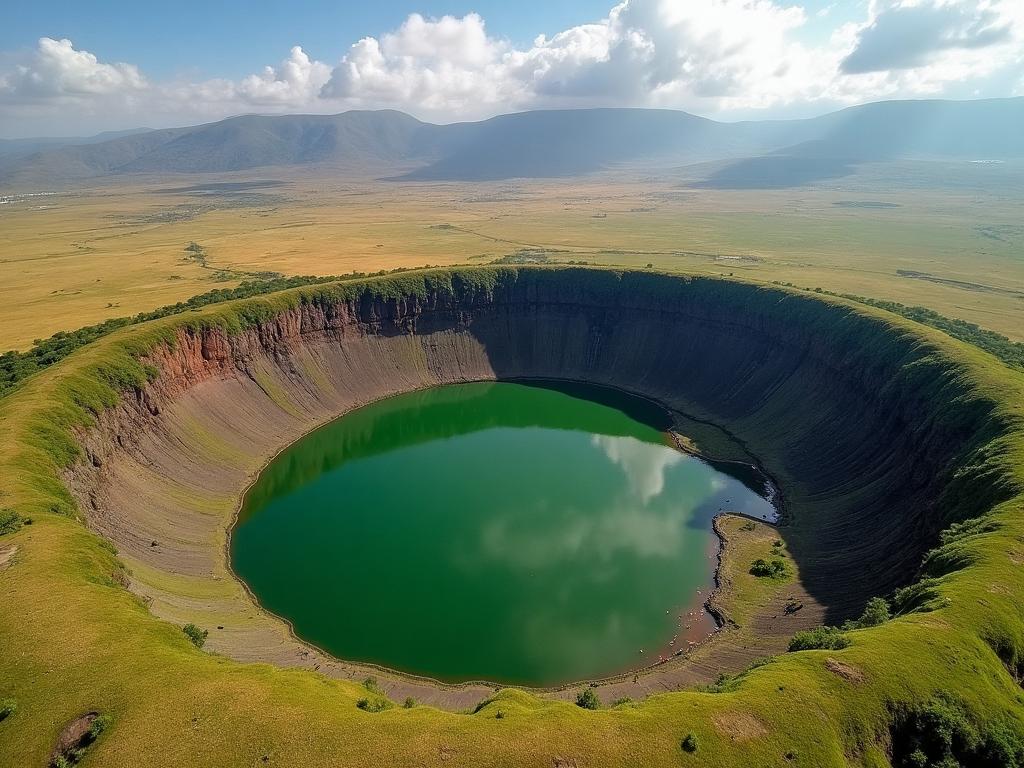
The green season is ideal for birding enthusiasts, with over 500 resident and migratory species present across Tanzania's parks. It's also the best time for Ngorongoro Crater, where the resident wildlife population is unaffected by seasons and the crater rim turns spectacularly green.
Month-by-Month Summary
January–February: Calving season in the southern Serengeti. Peak predator action and newborn wildlife. March–April: Long rains begin. Lower prices, fewer crowds, lush landscapes. May: Rains ease, herds begin moving northwest. Excellent value. June–July: Dry season begins. Herds reach the Western Corridor and Grumeti River. August–September: Peak river crossings in the northern Serengeti. Best overall game viewing. October: Migration begins returning south. Still excellent viewing. November–December: Short rains. Calving herds arrive on the southern plains.
Which Parks to Visit and When
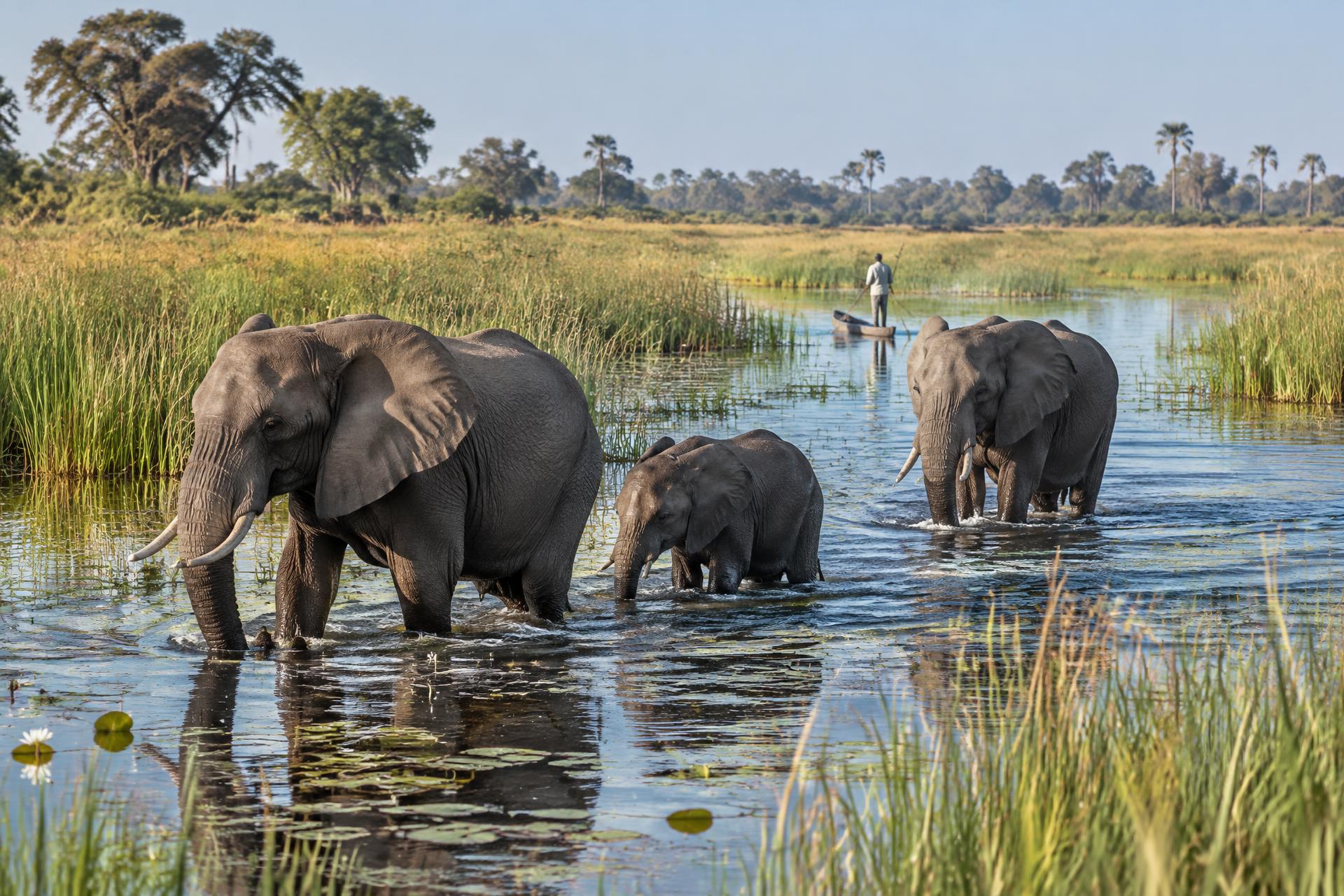
The Serengeti is Tanzania's crown jewel and rewards visitors year-round, but your camp location should shift with the migration. Ngorongoro Crater is superb from June to February. Tarangire National Park peaks from July to October with massive elephant herds and baobab-studded landscapes. Ruaha and Katavi, Tanzania's wilder southern parks, are best from June to November and offer an uncrowded alternative to the northern circuit.
Planning Your Tanzania Safari
The best time to visit Tanzania depends on what you want to see and how you like to travel. Peak-season travellers should book 6–12 months ahead; green-season visitors can often secure lodges 2–3 months out. Whichever season you choose, Tanzania delivers an unforgettable safari experience. Contact our team to discuss the ideal timing for your adventure.
Frequently Asked Questions
What is the best time to visit Tanzania for safari?
The best time for Tanzania safari is the dry season from June to October for reliable Big Five game viewing and Great Migration river crossings. January to March offers the spectacular calving season in the southern Serengeti with 8,000 wildebeest born daily.
When is calving season in Tanzania?
Calving season in Tanzania runs from late January through March in the southern Serengeti and Ndutu area. Around 500,000 wildebeest calves are born during this period, attracting predators for dramatic wildlife action.
Is green season a good time to visit Tanzania?
Yes. Green season (November–May) offers lower prices (20–40% off peak rates), fewer crowds, lush landscapes, excellent birding with 500+ species, and dramatic photography conditions. Ngorongoro Crater is superb year-round.