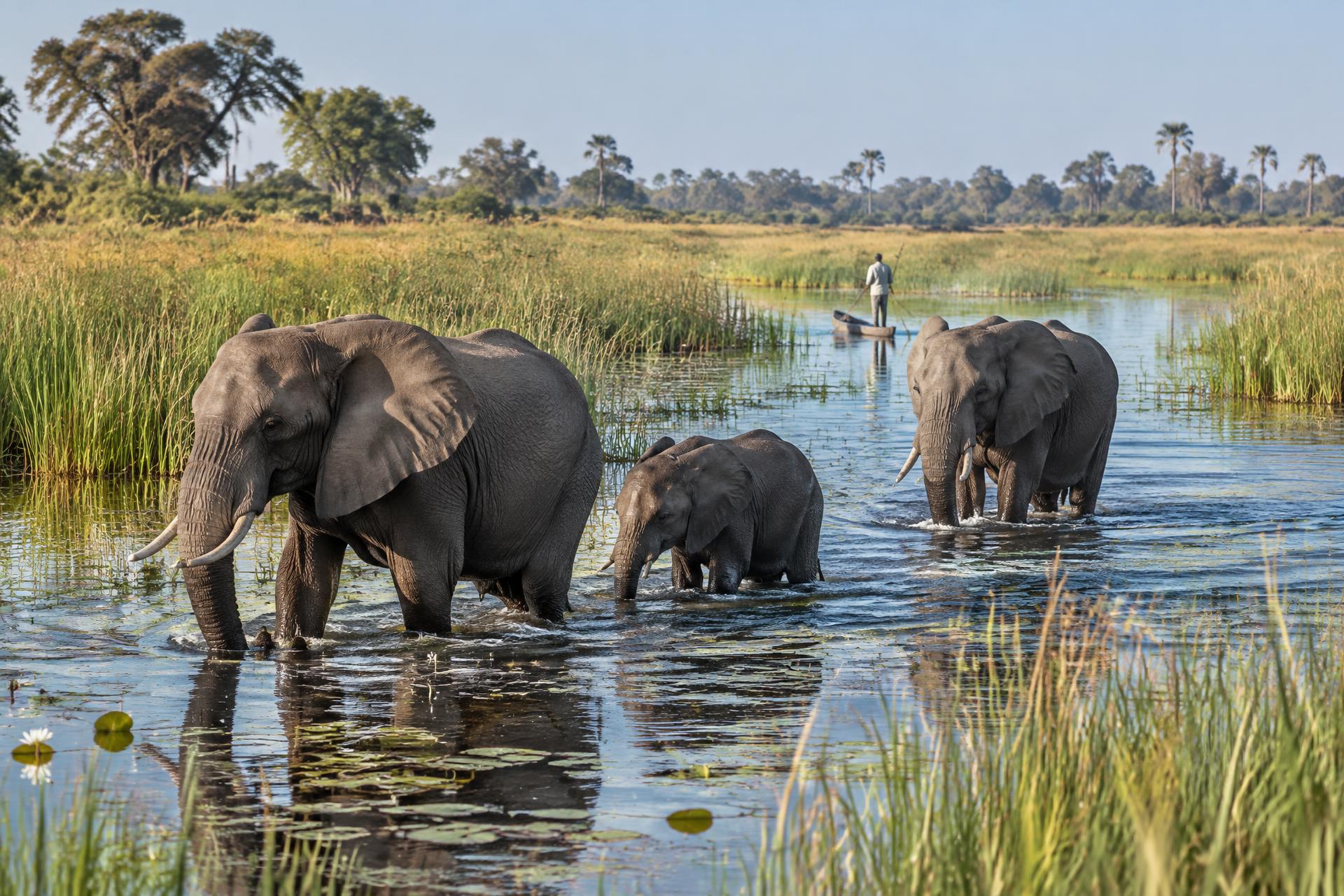
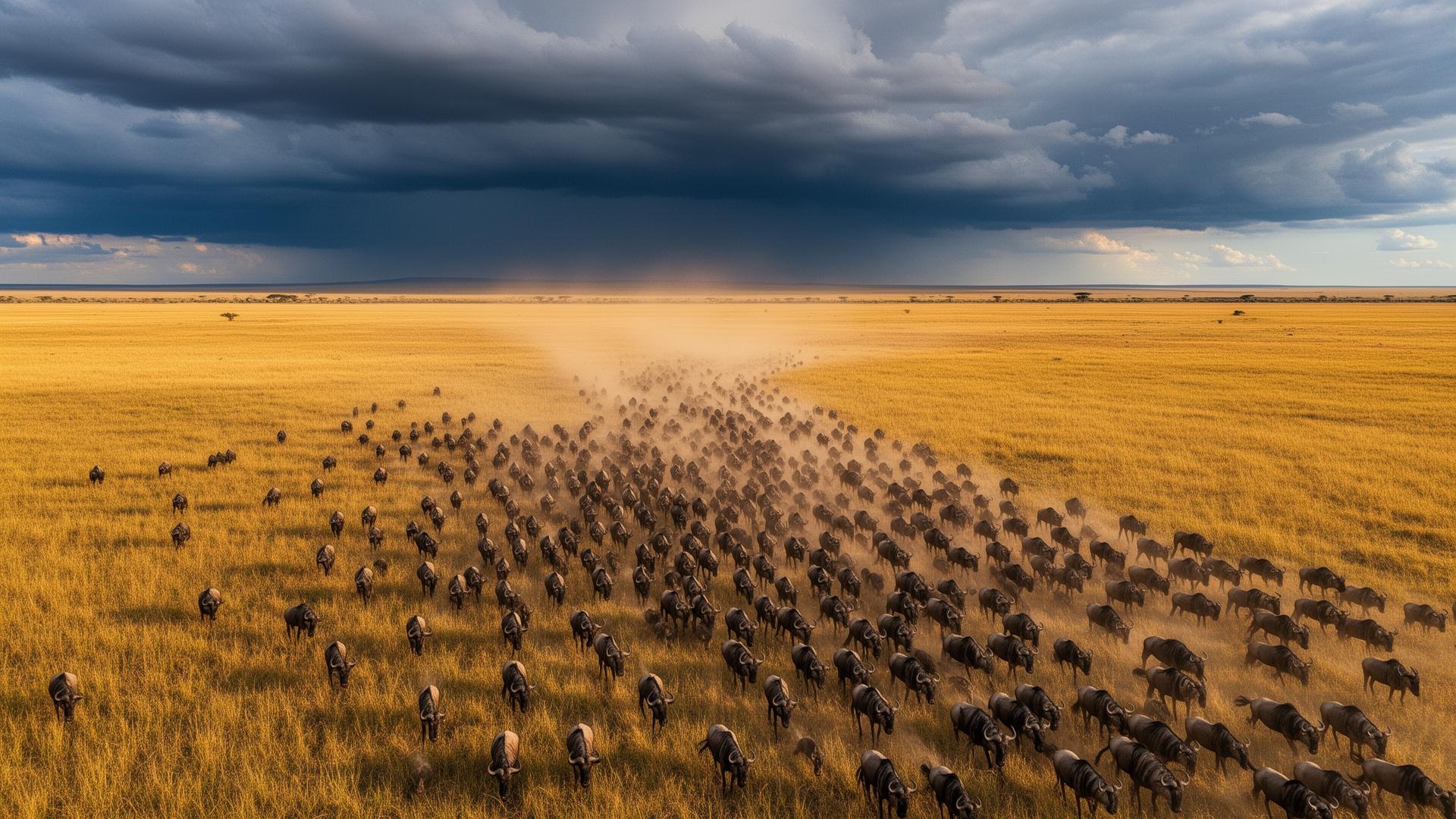
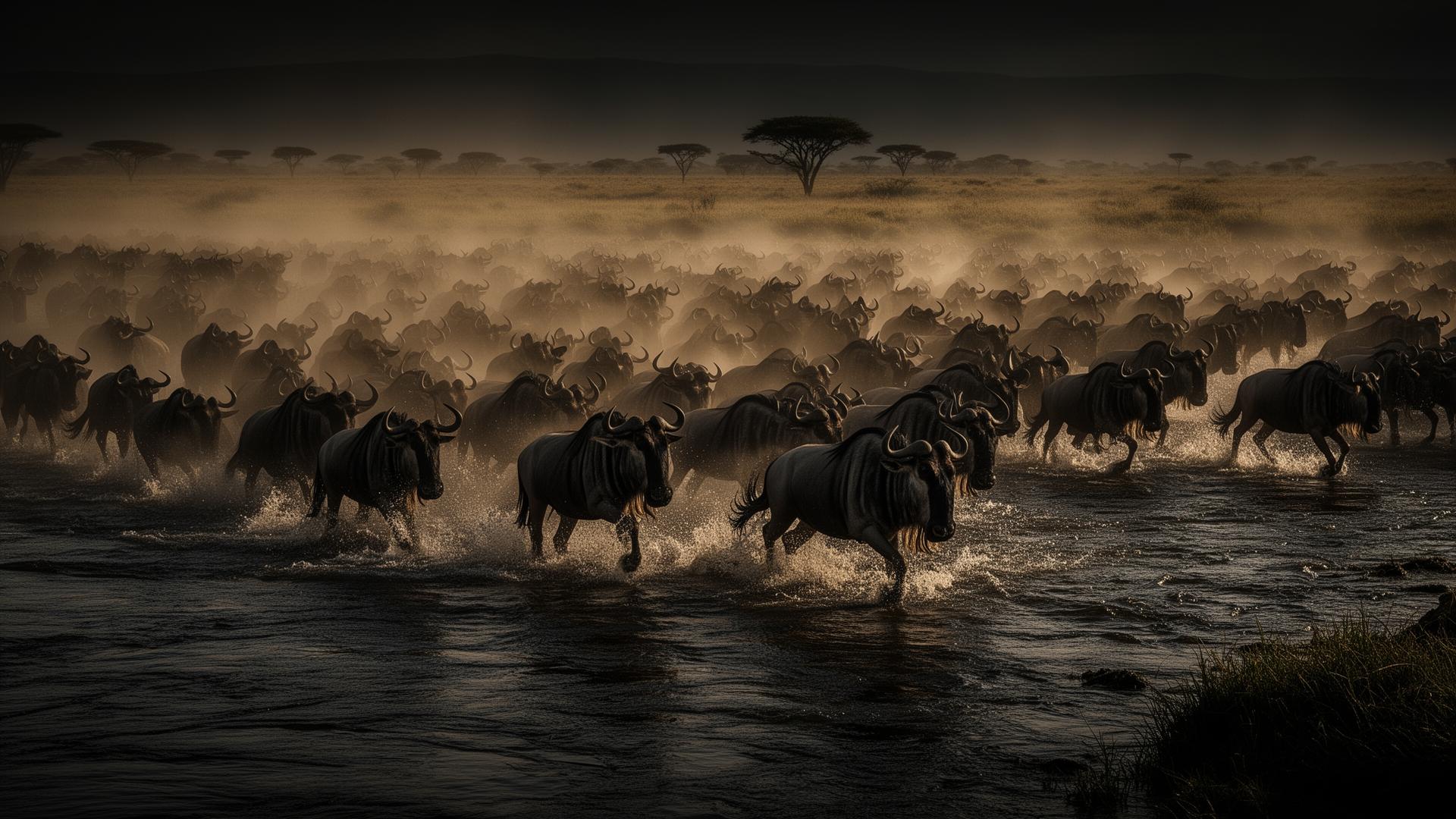
An African safari is rarely a spur-of-the-moment holiday. It is the trip people talk about for years beforehand and remember for the rest of their lives. Yet the moment you begin looking at African safari tours, the choices multiply. Which country? Private or small group? Which month? And what should it honestly cost from Australia?
The best African safari tour is the one matched to your wildlife wish list, travelling style, season and budget. Choose the country first, then the style of tour, then the month, and let an Australian specialist align the flights, lodges and pacing around those decisions.
What an African safari actually involves
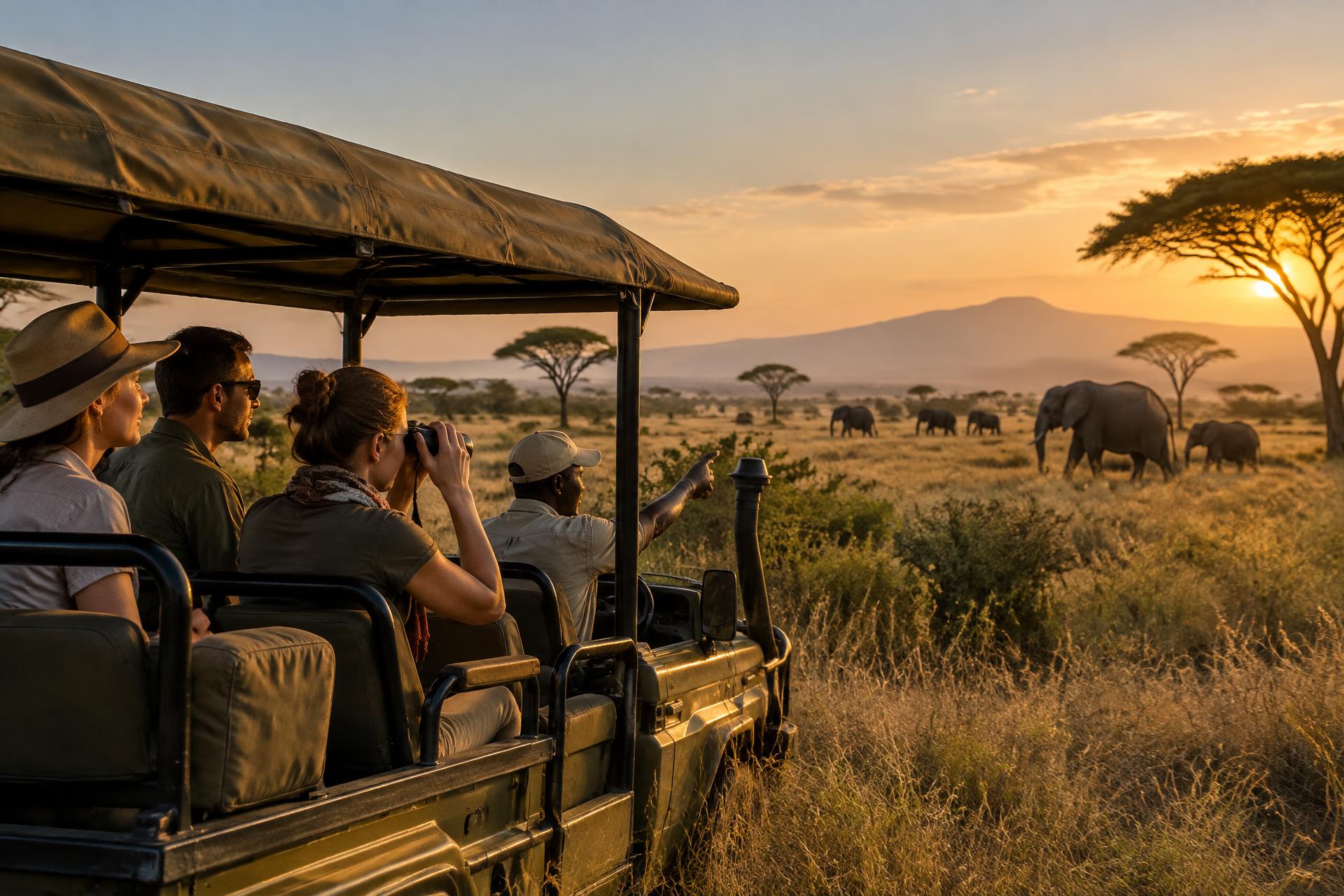
Most safari days follow a gentle, well-tested rhythm. An early morning game drive while the air is cool and predators are still active, a long breakfast, time to rest or swim through the heat of the day, then an afternoon drive that finishes with a sundowner somewhere quietly spectacular. Dinner is usually shared, often outdoors, always with a story or two.
Between those drives you might take a guided bush walk, visit a conservation project, spend time with a Maasai community, drift over the plains in a hot air balloon or simply watch a waterhole from your verandah. A safari is far less strenuous than most people expect and far more absorbing.
Step one: choose your African safari country
Country shapes everything that follows, from the wildlife you see to the cost of your journey. Each of our safari destinations has a distinct character.
| Destination | Best known for | Suits |
|---|---|---|
| Kenya | The Masai Mara, big cats, Mara River crossings, Maasai culture | First-time safari travellers wanting reliable game viewing |
| Tanzania | The Serengeti, Ngorongoro Crater, the calving season, Zanzibar | Great Migration travellers and beach extensions |
| South Africa | Kruger and private reserves, Cape Town, winelands, malaria-free options | Families and travellers combining safari with city and coast |
| Botswana | Okavango Delta, low-volume exclusive camps, water safaris | Repeat travellers seeking remote wilderness |
| Namibia | Sossusvlei dunes, desert-adapted wildlife, vast open horizons | Photographers and self-drive-minded adventurers |
| Rwanda and Uganda | Mountain gorilla trekking in misty rainforest | Bucket-list travellers after a once-in-a-lifetime encounter |
If you are torn between the two most popular choices, our comparison of Kenya and Tanzania works through wildlife, crowds, culture and cost side by side. Many travellers eventually decide not to choose at all and combine both countries in one journey.
Step two: decide what style of safari tour suits you
African safari tours broadly fall into two camps, and neither is better. They simply suit different travellers.
- Private tailor-made safaris: your own vehicle, guide and itinerary, with departure times, sightings and rest days shaped entirely around you. Ideal for couples, families and anyone with specific interests.
- Escorted small group tours: a curated itinerary with a set departure date, shared with a small number of likeminded travellers. Excellent value, wonderful company and none of the daily decision-making.
- Family safaris: lodges with family suites, shorter drives and activities designed to hold younger attention spans.
- Ladies-only tours: small, warm, well-paced departures for women travelling together or solo.
- Special interest journeys: photography, conservation, golf and wildlife combinations, and incentive travel for groups.
Our guide to private safaris versus escorted small group tours unpacks the trade-offs in detail. If you are travelling with children or grandchildren, our family milestone safari guide covers rooms, pacing and celebrations.
Step three: pick the right month
Timing changes what you see and what you pay. Africa's dry season conveniently falls across the Australian winter, which is why so many Australian families travel between June and September.
| Period | What is happening | Why it matters |
|---|---|---|
| January to March | Calving season in the southern Serengeti | Newborn wildebeest and intense predator activity |
| April to May | Green season, lower rates | Lush landscapes, fewer vehicles, excellent value |
| June to October | Dry season and Mara River crossings | Peak game viewing, thinner bush, book well ahead |
| November to December | Short rains, then festive season | Superb birding early, celebratory camps later |
For a month-by-month view of one destination, our Tanzania seasons guide is the most detailed place to start.
What African safari tours cost from Australia
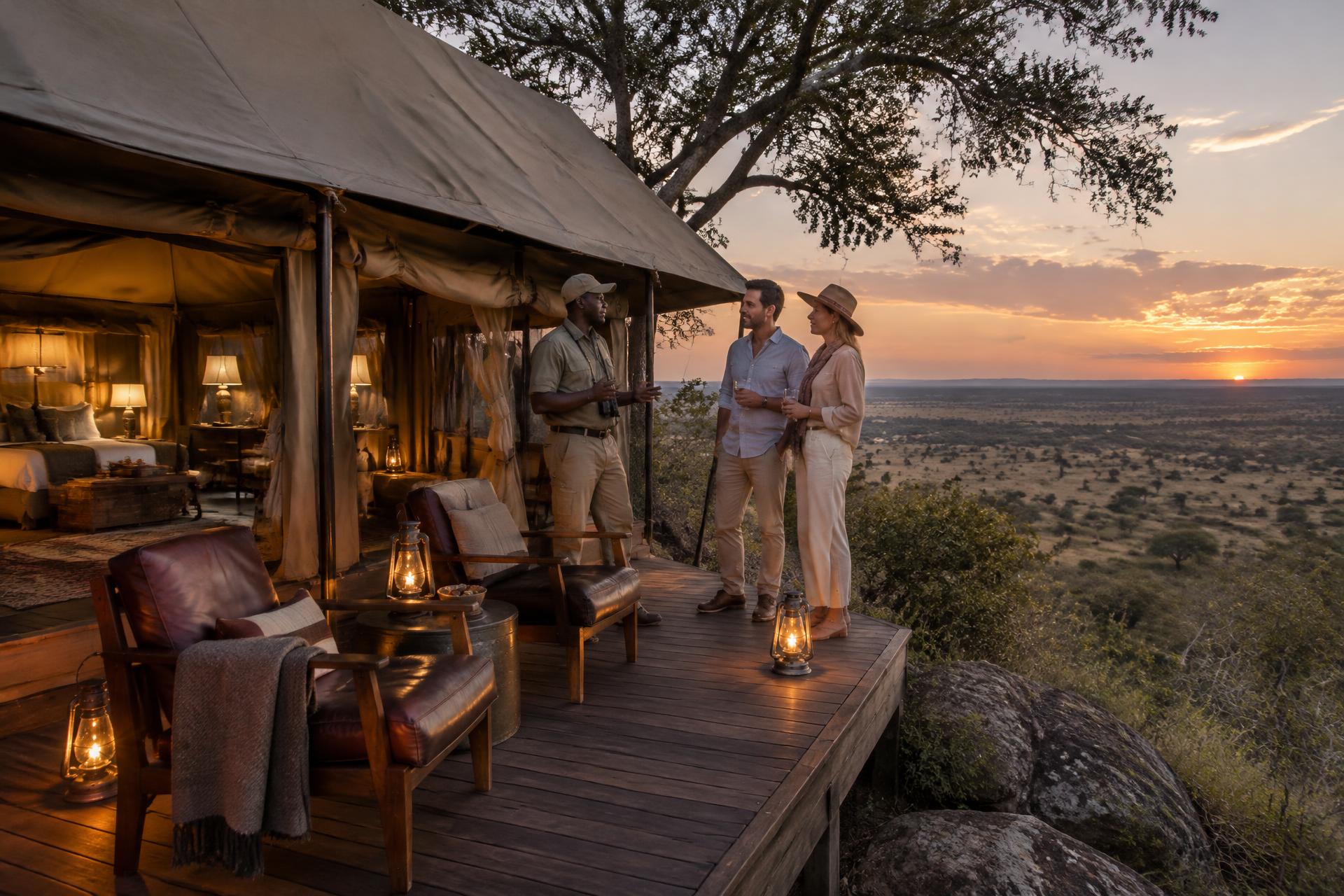
Prices vary widely because a safari is not a single product. As a guide, a comfortable mid-range safari of seven to ten nights generally starts around AUD $8,000 per person for the land component. A luxury journey of ten to fourteen nights typically falls between AUD $12,000 and $25,000 per person, and the most exclusive private camps can exceed AUD $30,000.
Return flights from Australia usually add AUD $3,000 to $8,000, most often routed through Dubai, Doha or Abu Dhabi into Nairobi, Johannesburg or Cape Town. Our budget calculator is a quick way to sketch a realistic figure before you commit to anything, and our complete guide to luxury African safaris from Australia goes deeper on flights, inclusions and lead times.
One point worth remembering: the cheapest quote is rarely the fairest comparison. Park and conservancy fees, internal flights, private guiding, premium drinks and laundry are included as standard by some operators and charged as extras by others.
Booking with an Australian safari specialist
There is real value in planning your safari with someone in your own time zone who quotes in Australian dollars, understands flight routings from Sydney, Melbourne, Brisbane and Perth, and knows the lodges personally rather than from a brochure. Travel to Africa has been arranging African safari tours for Australian travellers for more than twenty years, with teams on the ground across the continent.
Peak season lodges, particularly the small camps, can fill twelve to eighteen months ahead. If you are considering the migration or an Australian school holiday window, it pays to begin the conversation early.
Plan your African safari tour
- Browse our safari packages
Escorted small group departures and tailor-made journeys across Africa.
- Explore safari destinations
Kenya, Tanzania, South Africa, Botswana, Namibia, gorilla trekking and more.
- Kenya vs Tanzania safari
A side-by-side comparison of East Africa's two great safari countries.
- Private safari vs small group tours
Which style of African safari tour suits the way you travel.
- Luxury African safari from Australia
Costs in Australian dollars, flight routes, timing and the finest lodges.
- Estimate your safari budget
Build a realistic figure for your journey before you enquire.
- Speak with our team
Tell us who is travelling and what you would love to see.
Whether you picture the Mara at first light, a mokoro gliding through the Okavango or a silverback watching you from the treeline, the right African safari begins with a conversation. Tell us what you hope to see, and we will build the journey around it.
Frequently Asked Questions
What is the best African safari tour for a first-time traveller?
Kenya and Tanzania are the classic first safaris, offering reliable Big Five sightings, the Great Migration and strong guiding. South Africa suits travellers who want safari combined with Cape Town, the winelands and malaria-free reserve options.
How much do African safari tours cost from Australia?
A comfortable mid-range safari of seven to ten nights generally starts around AUD $8,000 per person for the land component. Luxury journeys of ten to fourteen nights typically range from AUD $12,000 to $25,000 per person, plus AUD $3,000 to $8,000 for return flights from Australia.
When is the best time to go on an African safari?
June to October is the dry season, with thinner bush, concentrated wildlife and the Mara River crossings. January to March brings the Serengeti calving season, while April, May and November offer green landscapes, fewer vehicles and better value.
Should I book a private safari or a small group tour?
A private safari gives you your own vehicle, guide and flexible daily schedule, which suits families, photographers and couples. An escorted small group tour offers curated itineraries, set departures, likeminded company and excellent value with none of the daily planning.
How far ahead should I book an African safari tour?
For peak season travel and Australian school holidays, book nine to twelve months ahead, as the smallest camps can fill twelve to eighteen months in advance. Green and shoulder season journeys allow more flexibility, though six to nine months still secures the best choice.