Once you have seen the nightly rates at Africa's top camps, the obvious question follows. Is a luxury safari actually worth it, or are you paying for thread counts and plunge pools? After more than 20 years designing safaris for Australian travellers, our answer is yes, but only when the money is spent on the right things.
A luxury safari is worth it when the extra cost buys location, guiding, low vehicle numbers and flexibility, which directly shape what you see. It is poor value when it only buys a fancier room in the wrong place. Spend on access first, comfort second.
What you are really paying for
The difference between a mid-range and a luxury safari is rarely the bed. It is what happens between dawn and dusk. At the higher end, your money typically buys:
- Location: camps inside the best wildlife areas, so you spend your morning watching animals rather than driving to reach them.
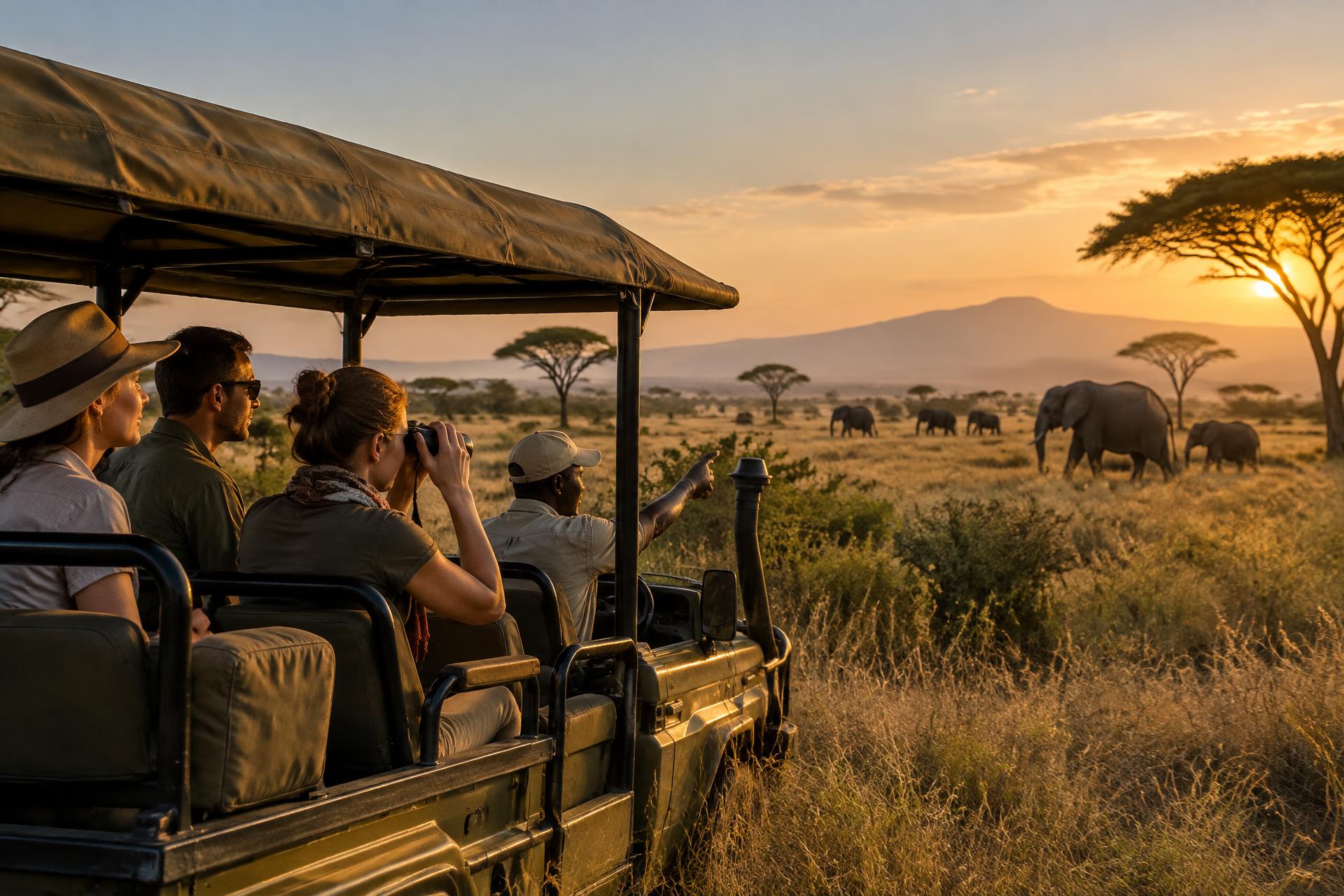
- Low vehicle density: private conservancies limit how many vehicles gather at a sighting, often to a handful.
- Off-road and night driving: permitted in many private conservancies but not in Tanzanian or Kenyan national parks.
- Guiding: experienced, highly trained guides who read tracks, behaviour and light, and who adapt the day to you.
- Flexibility: a private vehicle means you stay with a leopard for two hours if you want to.
- Inclusions: meals, drinks, activities, park fees and often light aircraft transfers are bundled in, so there are few surprises.
Spending more doesn't automatically create a better safari. Spending wisely does.
Leonie Cox
National park or private conservancy
This is the single biggest value decision. In Tanzanian national parks, regulations require vehicles to stay on designated tracks, with no off-road driving, night drives or walking safaris. Popular areas can also be busy in peak season from June to October.
Private conservancies bordering the Masai Mara, the private reserves of the Sabi Sand in South Africa and the concessions of Botswana's Okavango Delta work differently. Guests pay more, but camps are fewer, vehicles are limited at sightings and activities such as walking and night drives are often possible. For many travellers, a few nights in a conservancy is where the luxury premium earns its keep.
| National park | Private conservancy or concession | |
|---|---|---|
| Off-road driving | Generally not permitted | Often permitted at sightings |
| Night drives | Generally not permitted | Often included |
| Walking safaris | Restricted | Often included |
| Vehicles at a sighting | Can be many in peak season | Usually limited by agreement |
| Typical cost | Lower | Higher, with more included |
Where spending more adds little
Not every upgrade improves your safari. These are the places we often advise clients to hold back:
- A spectacular lodge in a weak wildlife area, far from the action.
- Every night at the most expensive camp, rather than mixing tiers across the trip.
- Peak-season dates when the shoulder months offer the same wildlife for less.
- Too many destinations crammed into one trip, paying for transfers instead of time on safari.
Where the money goes beyond your stay
Park and conservation fees are a meaningful part of your safari cost, and they fund protection directly. In 2026 the Masai Mara National Reserve charges non-resident adults US$200 per person per day in peak season, while a Rwanda gorilla permit costs US$1,500. Many high-end camps also lease land from local communities, employ staff from neighbouring villages and fund anti-poaching work. Spent well, a luxury safari supports the wilderness you have travelled to see.
So, is it worth it for you?
If this is a once-in-a-lifetime journey, a milestone celebration or your chance to see the Great Migration or gorillas properly, investing in location and guiding is almost always worth it. Clients who first travel on budget overland tours often tell us they want to come back and do it properly. Doing it properly the first time can be the better value.
The smartest approach is usually a blend: two or three nights at an exceptional camp where wildlife is the priority, balanced with excellent but simpler properties elsewhere. Our team can show you exactly where an upgrade will change your experience and where it will not.
Keep planning
- Luxury safari cost guide 2026
Real price benchmarks in AUD and USD.
- Luxury African safari from Australia
Flights, timing and lodges for Australian travellers.
- Private safari vs small group
Which style gives you the best value.
- Our lodges and camps
Properties chosen for location as much as comfort.
- Estimate your budget
Sketch a realistic figure in Australian dollars.
- Talk to our team
Get an honest recommendation for your budget.
Frequently Asked Questions
Is a luxury safari worth the money?
Yes, when the extra cost buys prime location, expert guiding, fewer vehicles and flexibility. It is poor value if it only buys a fancier room in a weaker wildlife area.
Is a private conservancy better than a national park?
Private conservancies usually limit vehicles at sightings and often allow off-road driving, night drives and walks, which national parks such as the Serengeti generally do not. They cost more but include more.