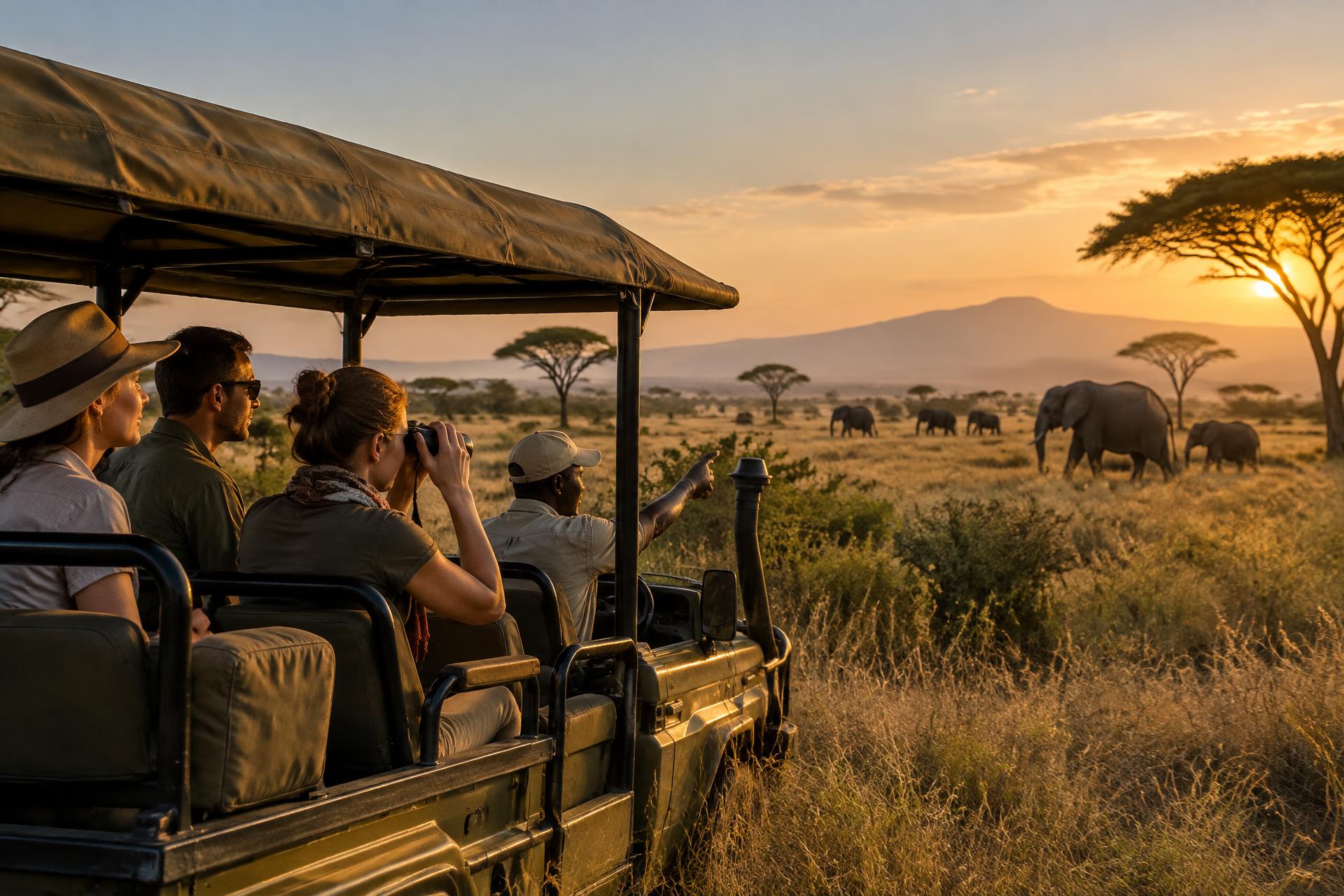
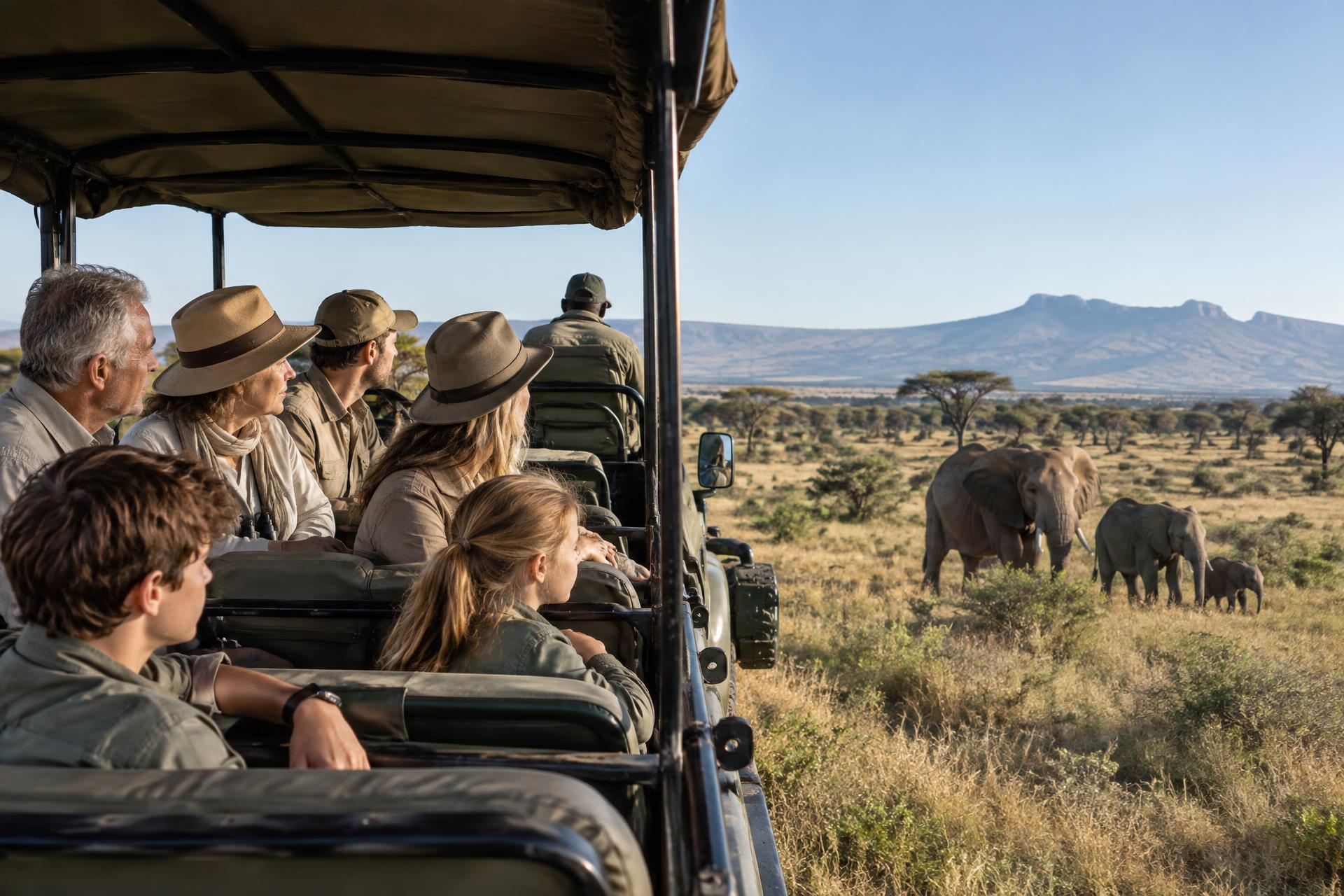
True luxury on safari isn't just about thread counts and infinity pools. It's the privilege of waking to lions calling beyond your veranda, the silence of a private concession at dawn, and the quiet skill of a guide who knows every leopard in the valley by name. The lodges below represent the very pinnacle of African safari travel in 2026, properties that combine extraordinary wildlife, sublime design, and a deep, genuine commitment to conservation. Each has been chosen for its sense of place, the calibre of its guiding team, and the way it transforms a holiday into something closer to a pilgrimage.
What Defines a Truly Luxurious Safari Lodge
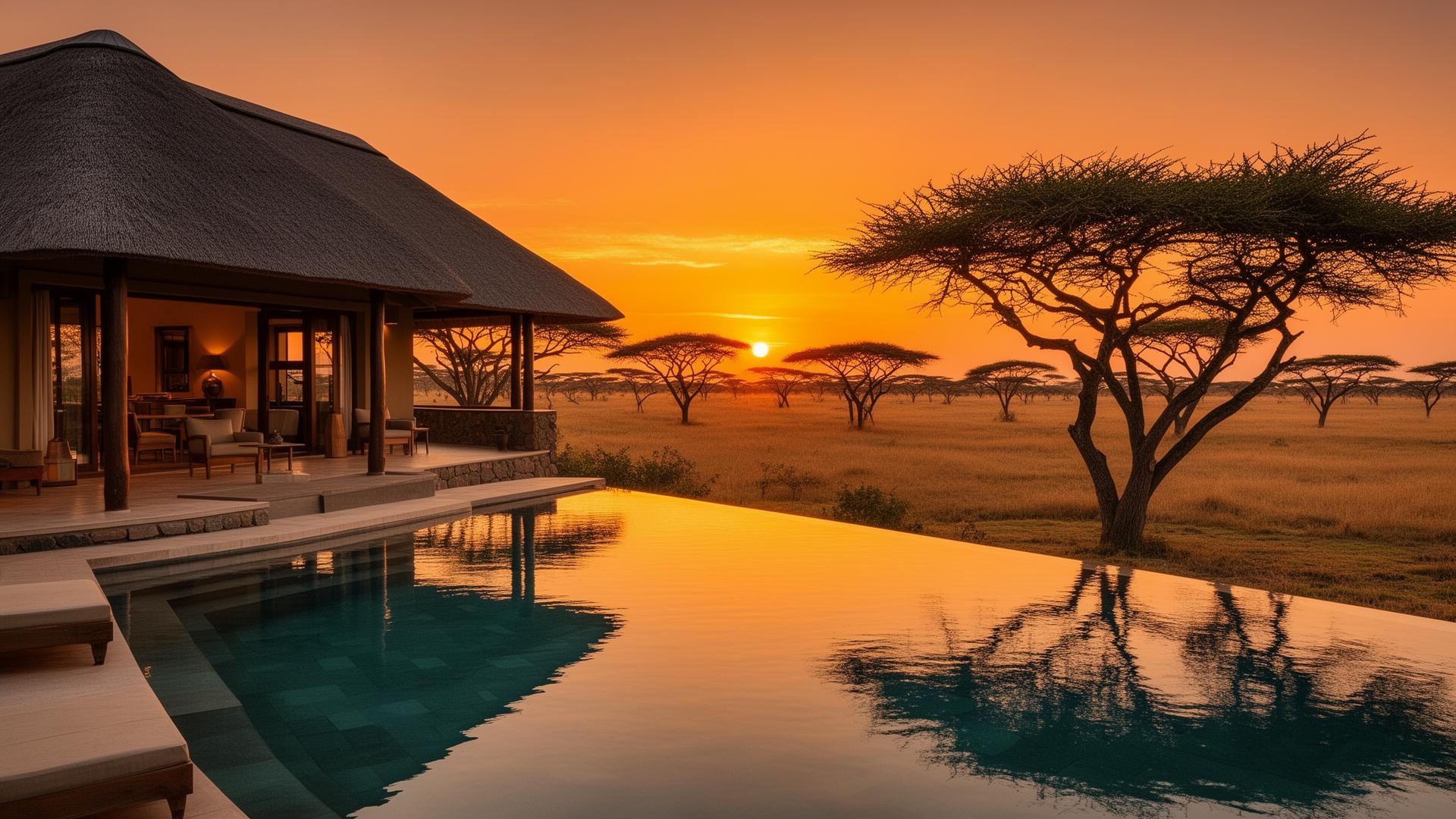
Luxury in the African bush has evolved well beyond the colonial-era tented camp. Today's finest lodges sit on private concessions or community conservancies where vehicle numbers are strictly controlled, often allowing off-road driving, walking safaris, and night drives that public parks simply cannot offer. The land itself becomes part of the experience: 350,000 acres for a dozen guests is not unusual at the very top end.
Beyond exclusivity, the markers of true luxury are subtle. They include a guide-to-guest ratio that rarely exceeds one-to-four, suites designed by world-class architects to frame a specific view or waterhole, kitchens led by chefs who source from on-site gardens and nearby villages, and a service culture that anticipates rather than reacts. Just as importantly, every great lodge is now measured by its conservation footprint, the percentage of revenue returned to community partners, anti-poaching units funded, and habitats protected directly because guests chose to visit.
The properties on this list each embody these principles in their own way. Some are sleek and architectural, others rustic and romantic, but all share an obsessive attention to the small details that turn a stay into a story you will tell for the rest of your life.
1. Singita Sasakwa Lodge — Grumeti, Tanzania
Perched on a hill above the western Serengeti, Singita Sasakwa is an Edwardian-style manor of just nine cottages, each with its own swimming pool, fireplace, and uninterrupted view across 350,000 acres of private concession. The setting places guests directly on the path of the Great Migration as it moves through Grumeti between June and August, when wildebeest herds spill across the plains in a way few public-park visitors ever witness.
What sets Sasakwa apart is the scale of its private wilderness combined with old-world refinement: croquet on the lawn, a wine cellar of more than 15,000 bottles, an equestrian centre for riding safaris, and access to the Singita Grumeti Fund's anti-poaching and community programs. It suits travellers who want the romance of a classic safari estate without compromising on contemporary comfort.
2. Singita Sabora Tented Camp — Grumeti, Tanzania
On the same Grumeti reserve as Sasakwa but with an entirely different feel, Sabora is a recently reimagined tented camp that sits low in the grasslands, immersed in the migration itself. Just nine canvas suites are dressed in raw linen, weathered timber, and brass, with private decks that bring the savannah within touching distance.
Sabora is the choice for guests who want the intimacy of canvas with no compromise on service. Open-vehicle game drives, walking safaris with armed rangers, and bush dinners under the stars are all part of the routine, and because the reserve is private, your guide can follow a predator hunt off-track without another vehicle in sight.
3. andBeyond Bateleur Camp — Masai Mara, Kenya
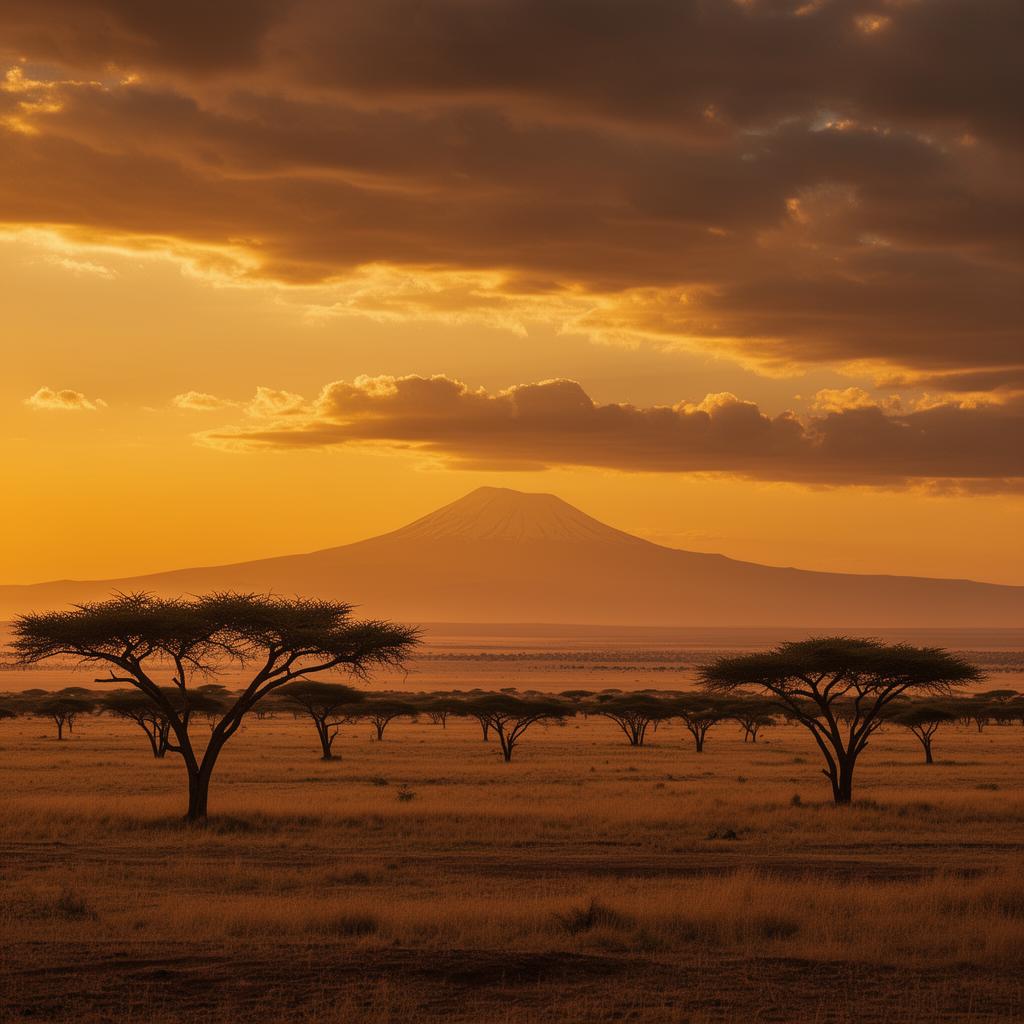
Tucked into a riverine forest at the foot of the Oloololo Escarpment, Bateleur Camp draws on the elegance of 1920s safari travel: leather steamer trunks, four-poster beds draped in mosquito netting, sterling silver on the dinner table. Its location on the western edge of the Mara Triangle places guests within easy reach of the Mara River crossings between July and October.
Two intimate camps of just nine tents each share a swimming pool and dining marquee, and the andBeyond guiding team is widely regarded among the best in East Africa. Conservation partnerships with the Maa Trust and surrounding Maasai communities mean every booking contributes directly to grassroots education and rangeland protection.
4. andBeyond Phinda Homestead — KwaZulu-Natal, South Africa
For travelling families or groups of friends seeking total privacy, Phinda Homestead is one of Africa's finest exclusive-use villas. The four-bedroom property comes with its own chef, butler, ranger, tracker, vehicle, and swimming pool, set within the 70,000-acre Phinda Private Game Reserve.
Phinda is one of only a handful of reserves in Africa to host the rare nyala and the elusive cheetah alongside the Big Five. Days can be spent tracking white rhino on foot, snorkelling in the Indian Ocean an hour away, or visiting nearby community schools supported by the Africa Foundation.
5. Mombo Camp — Moremi Game Reserve, Botswana
Often described as the best game-viewing camp in Africa, Mombo sits on Chief's Island in the heart of the Okavango Delta. Its nine elevated tented suites look out over a floodplain that is, quite simply, alive: lions, leopards, wild dogs, elephants, and one of the densest populations of big cats on the continent appear daily within view of the deck.
Run by Wilderness, Mombo is a model for sustainable luxury in remote Africa. Solar power runs the entire camp, water is sourced and recycled on site, and a portion of every booking funds the Mombo Trust, which supports rhino reintroduction and community education across the Delta.
6. Jao Camp — Okavango Delta, Botswana
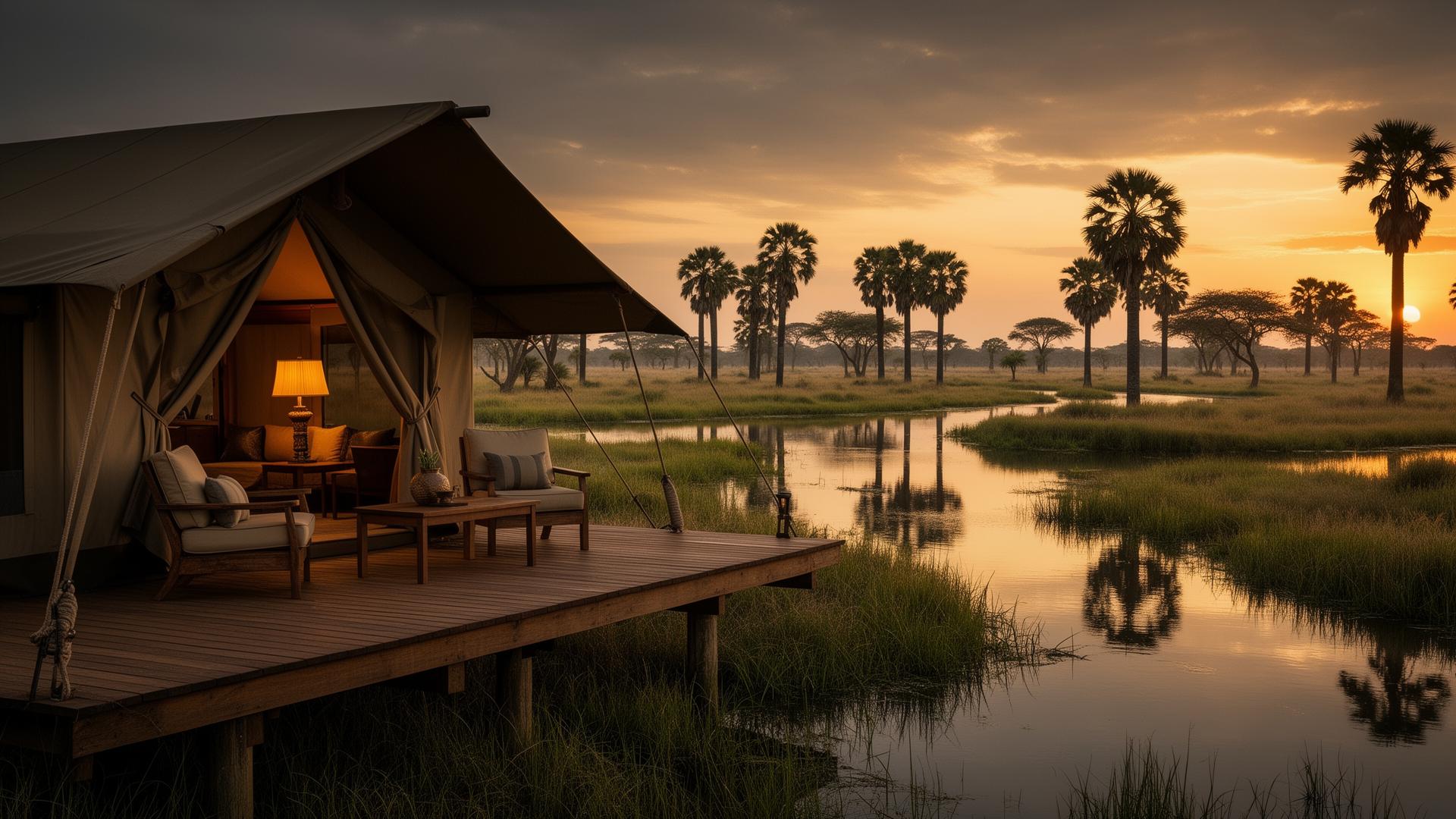
If Mombo is about land-based predator action, Jao is its watery counterpart. Set on a remote palm-fringed island, Jao's five sculpted suites and two private villas float above the Delta on raised timber platforms. The architecture, by South African studio Silvio Rech and Lesley Carstens, is among the most striking in Africa.
Activities revolve around the seasonal floodwaters: silent mokoro glides through papyrus channels, motorboat cruises past sitatunga and red lechwe, helicopter scenic flights over the Delta's labyrinth of waterways, and game drives on the surrounding islands when water levels allow.
7. Zarafa Camp — Selinda Reserve, Botswana
Founded by award-winning National Geographic filmmakers Dereck and Beverly Joubert, Zarafa is a four-suite Great Plains camp on the banks of the Zibadianja Lagoon in the private 320,000-acre Selinda Reserve. Each enormous canvas suite comes with a copper bath, plunge pool, and a Canon camera kit on loan for guests.
Selinda's combination of permanent water, woodland, and open plains supports remarkable predator densities, particularly wild dog, and the camp's photographic guides are trained to position vehicles for the perfect shot. A high level of philanthropy is built into the rate, supporting the Great Plains Foundation's rhino translocations and education work.
8. Duba Plains Camp — Okavango Delta, Botswana
Also a Great Plains property, Duba Plains is the Joubert family's spiritual home and the setting for several of their most acclaimed films. The five tented suites occupy a private 77,000-acre concession in the northern Delta, famous for its enormous lion prides and the daily theatre of buffalo herds being shadowed across the floodplain.
The aesthetic blends the romance of the 1920s explorer era with twenty-first-century comforts: claw-foot baths, Persian rugs, leather club chairs, and a dining table that opens onto open plains. It is a camp built for guests who care as much about wildlife behaviour as they do about wine pairings.
9. Bisate Lodge — Volcanoes National Park, Rwanda
Rising in a horseshoe of forested hills opposite Mount Bisoke, Wilderness's Bisate is one of the most architecturally celebrated lodges in Africa. Its six thatched, dome-shaped villas echo the form of the surrounding volcanoes and the traditional design of the Rwandan king's palace, with sunken lounges, fireplaces, and floor-to-ceiling windows facing the peaks.
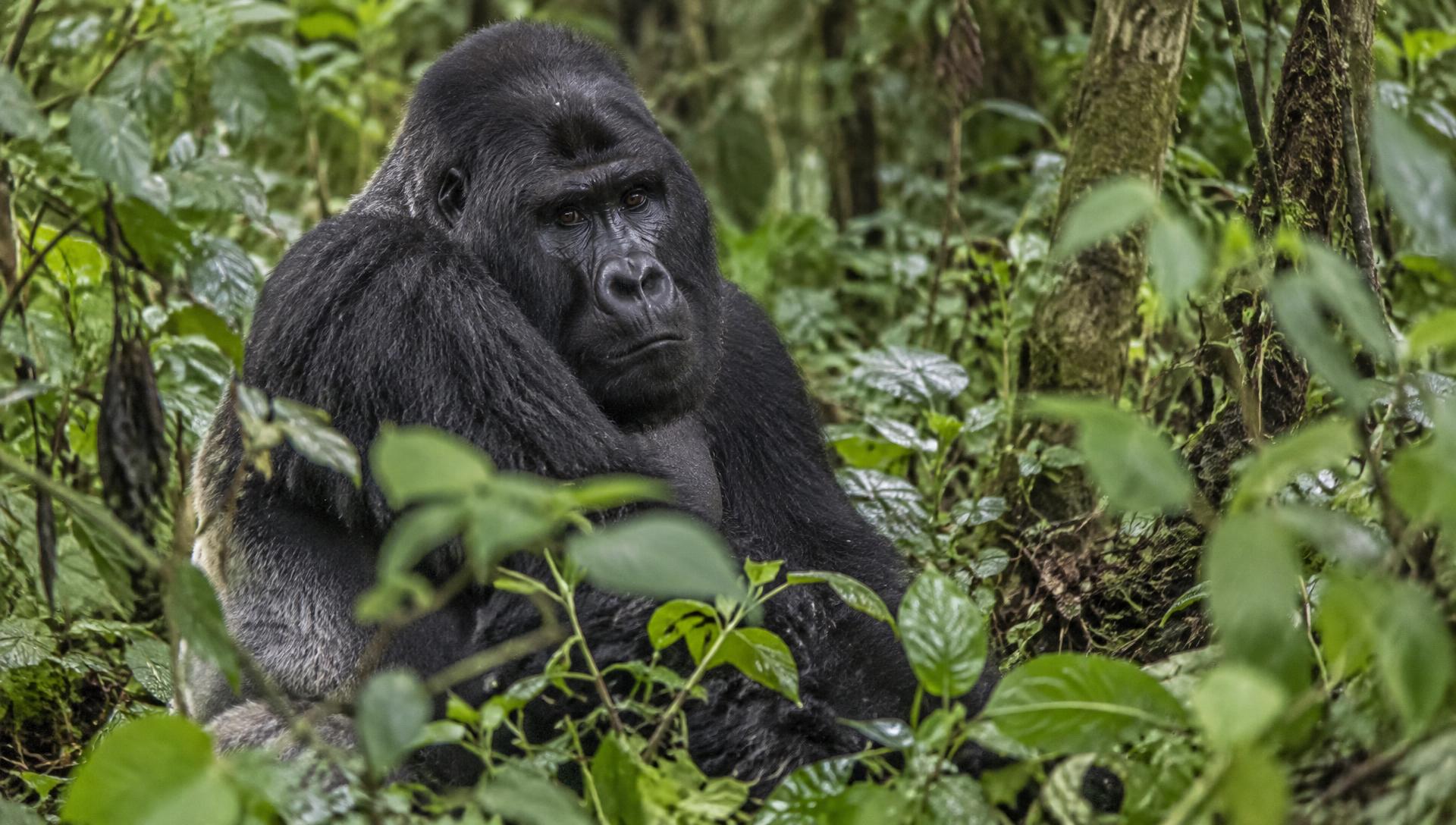
Bisate is the gateway to mountain gorilla trekking in Rwanda's Volcanoes National Park, where guests spend an unforgettable hour with a habituated family group. The lodge's reforestation project has planted more than 100,000 indigenous trees on its land, restoring habitat for golden monkeys and a host of endemic birds.
10. Sabyinyo Silverback Lodge — Volcanoes National Park, Rwanda
Owned by the local community through the Sabyinyo Community Lodge Association and operated by Governors' Camp Collection, Sabyinyo is a country-house style lodge with sweeping views of the Virunga volcanoes. Its eight stone-and-timber suites have wood-burning fireplaces, deep tubs, and an authentic sense of Rwandan hospitality.
What makes Sabyinyo unique is its ownership model: every booking generates direct revenue for the surrounding villages, funding a school, a health clinic, water tanks, and ongoing community development. It is luxury with an unusually clear conservation and social return.
11. Royal Malewane — Greater Kruger, South Africa
On the edge of the Kruger National Park's Thornybush concession, The Royal Portfolio's Royal Malewane is famed for two things: its lavish, antique-filled suites with private pools and butlers, and its guiding team, which includes some of the most highly qualified trackers in Africa. The lodge is one of the easiest places in the world to see all of the Big Five inside a single day.
An on-site Bush Spa offers an extensive menu drawing on indigenous ingredients, and the wine list is among the country's finest. For multi-generational families, the adjoining Africa House and Farmstead can be booked exclusively with their own chef, vehicles, and guides.
12. Tswalu Motse — Kalahari, South Africa
Tswalu is South Africa's largest privately owned game reserve, 114,000 hectares of restored Kalahari wilderness, and Motse is its flagship lodge: nine stone, timber, and thatch suites known as 'legaes' looking out across red sand and silver grass. The pace is slower here, with no fixed schedule and guides assigned exclusively to your party.
The wildlife is strikingly different from elsewhere in Africa, including desert-adapted black rhino, brown hyena, aardvark, pangolin, and habituated meerkat colonies. Tswalu's overarching mission, 'to leave our world better than how we found it', is reflected in scientific research projects guests are invited to engage with directly.
13. Hoanib Skeleton Coast Camp — Kaokoland, Namibia
In one of the most remote corners of the planet, Hoanib Skeleton Coast Camp sits in a hidden valley between the dunes of the Skeleton Coast and the rugged peaks of Damaraland. Eight tented suites, designed to disappear into the desert, look out over a dry riverbed where elephants, lions, and giraffes have adapted to life with almost no surface water.
Days here include scenic flights over the Skeleton Coast's shipwrecks and seal colonies, encounters with the matriarchal Himba people, and tracking desert-adapted wildlife with researchers from the Lion Rangers and Desert Lion Conservation projects, both of which the camp helps to fund.
14. Little Kulala — Sossusvlei, Namibia
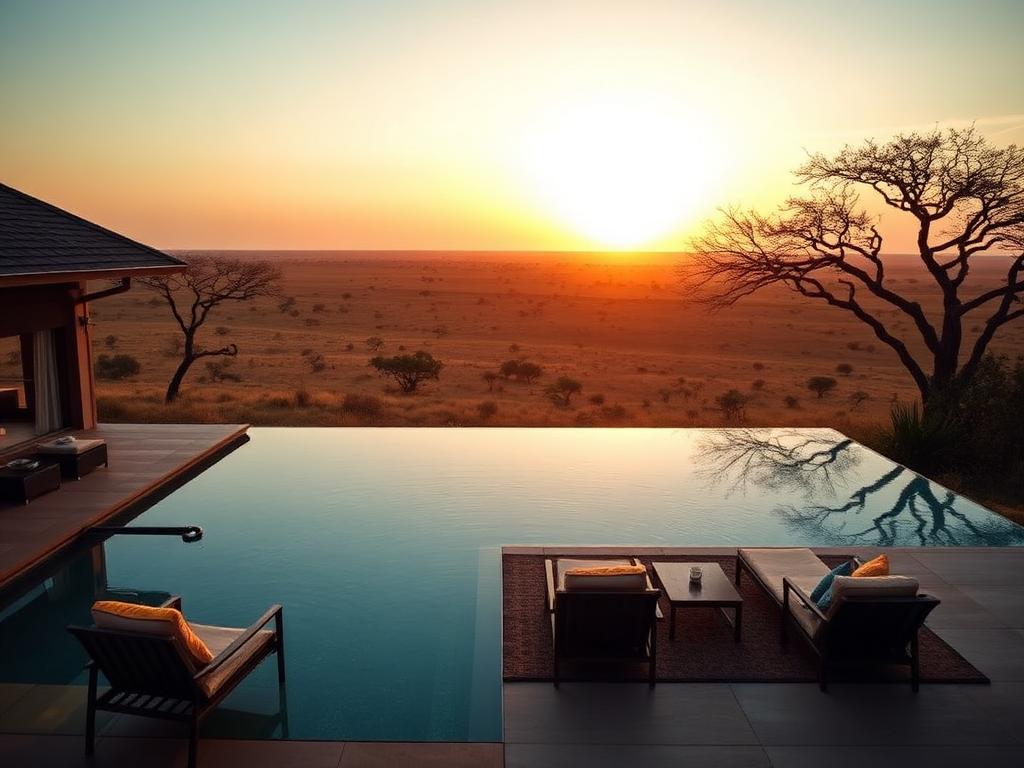
On a private reserve at the doorstep of Sossusvlei's iconic red dunes, Little Kulala is a Wilderness camp of eleven thatched 'kulalas', each with its own plunge pool, fireplace, and rooftop sleep-out deck for nights under the southern stars. The architecture is pure desert minimalism: white walls, raw timber, and uninterrupted horizons.
Guests are inside the dune fields well before the day-trippers arrive, climbing Big Daddy and walking through the otherworldly Deadvlei in the soft light of dawn. Hot-air balloon flights, e-bike rides, and stargazing with an astronomer round out one of the most photogenic luxury safari experiences in Africa.
15. Angama Mara — Maasai Mara, Kenya
Suspended on the edge of the Oloololo Escarpment, 300 metres above the Mara Triangle, Angama Mara has perhaps the most cinematic view of any safari lodge in Africa, the same vista made famous by the film 'Out of Africa'. Its fifteen tented suites are vast, glass-walled, and dressed in red tartans inspired by the Maasai shuka.
Run as a true family business by Steve and Nicky Fitzgerald, Angama is celebrated for its warmth as much as its wildlife, with hot-air balloon safaris, a beadwork studio supporting local Maasai women, an on-site photographic studio, and direct access to the Mara Triangle, the best-managed corner of the wider Maasai Mara ecosystem.
How to Choose the Right Lodge for You
With this calibre of choice, the question is rarely 'is this lodge good?' but 'is it right for me?'. First-time safari-goers tend to thrive at properties with abundant Big Five sightings and excellent guides, such as Royal Malewane, Bateleur Camp, or Mombo, where the days are full and the wildlife dramatic. Returning travellers and photographers often gravitate toward more specialised destinations like Tswalu, Hoanib, or Duba Plains, where the rewards take a little more patience but feel proportionally greater.
Couples celebrating an anniversary or honeymoon will love the romance of Bisate, Jao, or Sabora, while families and groups of friends are best matched to exclusive-use villas such as Phinda Homestead or the private wings at Royal Malewane. Active travellers should look at lodges that offer walking safaris, riding, mountain biking, or fly camping as part of the standard programme.
When to Book and What to Expect
The very best suites at the very best camps book out twelve to eighteen months in advance for peak periods such as the Great Migration river crossings in July to October, the dry season in Botswana from June to October, and the southern African summer holidays from mid-December to early January. For specific lodge and date combinations, particularly exclusive-use villas, two years' notice is not unreasonable.
Rates at this level are fully inclusive: accommodation, all meals, premium drinks (often excluding rare wines and champagnes), shared game drives, laundry, park and conservation fees, and most return road or light-aircraft transfers from the regional gateway. Guests should still budget separately for international flights, gorilla or chimpanzee permits, helicopter charters, premium spa treatments, and gratuities for guides and camp staff.
As an indication, expect nightly rates from around AUD 2,500 per person sharing in shoulder season at the entry point of this list, rising to AUD 6,000 or more per person per night in peak season at the most exclusive properties, with private villas and exclusive-use buy-outs priced separately.
Combining Lodges into a Full Itinerary
The lodges in this list are at their best when paired thoughtfully. A classic Botswana itinerary might combine the dry land of Duba Plains or Mombo with the waterways of Jao for a true land-and-water Delta experience over seven to nine nights. In East Africa, three nights at Bisate in Rwanda for gorilla trekking pairs beautifully with four nights at Angama Mara or Bateleur Camp in Kenya, ideally with a day in Nairobi for the Giraffe Centre and the David Sheldrick Wildlife Trust.
South African travellers can layer Tswalu's Kalahari quietness against the Big Five intensity of Royal Malewane and finish in Cape Town, while a Namibian circuit linking Little Kulala in the dunes with Hoanib on the Skeleton Coast is one of the most visually arresting journeys on the continent. Across all of these, two to three nights per camp is the sweet spot, enough to settle in, get to know your guide, and let the wildlife reveal itself.
Conservation: The Real Luxury
What unites every property on this list is the understanding that, in 2026, true luxury and meaningful conservation are no longer separable. Each lodge here protects vast tracts of land that would otherwise be vulnerable to habitat loss, poaching, or unsustainable land use. Each employs and trains people from neighbouring communities, often for generations within the same family. Each contributes a measurable share of revenue to research, anti-poaching, education, and healthcare.
Choosing where to spend your safari budget is, in effect, a vote for the kind of Africa you want to see in fifty years. The lodges above are some of the most powerful votes you can cast, and the experience they offer in return is, quite simply, one of the most rewarding ways to travel anywhere on earth.
Travel to Africa works directly with each of the properties featured here. We can match the right combination of lodges to your interests, travel style, and dates, secure preferred suites where possible, and handle every flight, transfer, and small detail in between, so all you need to do is arrive.