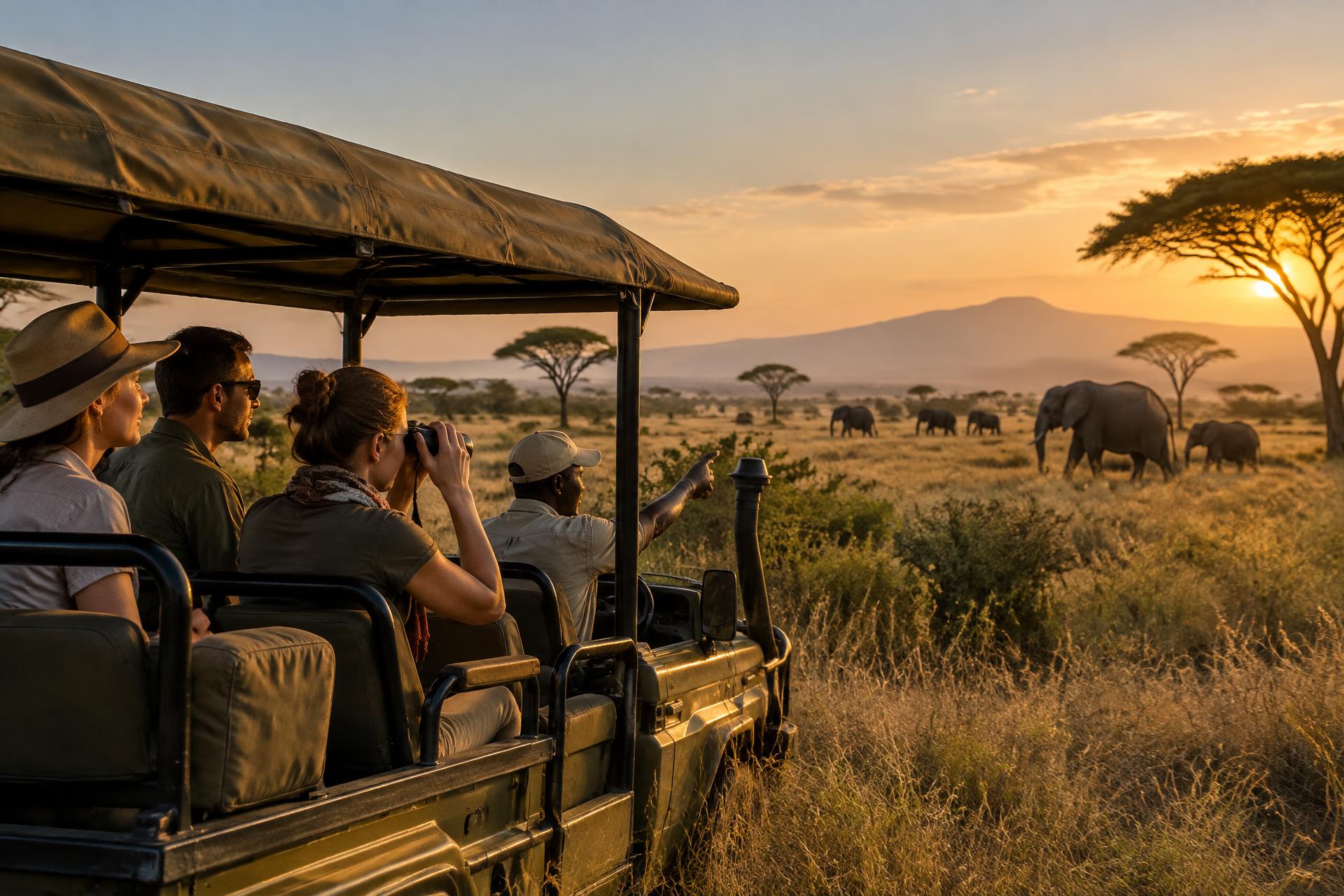
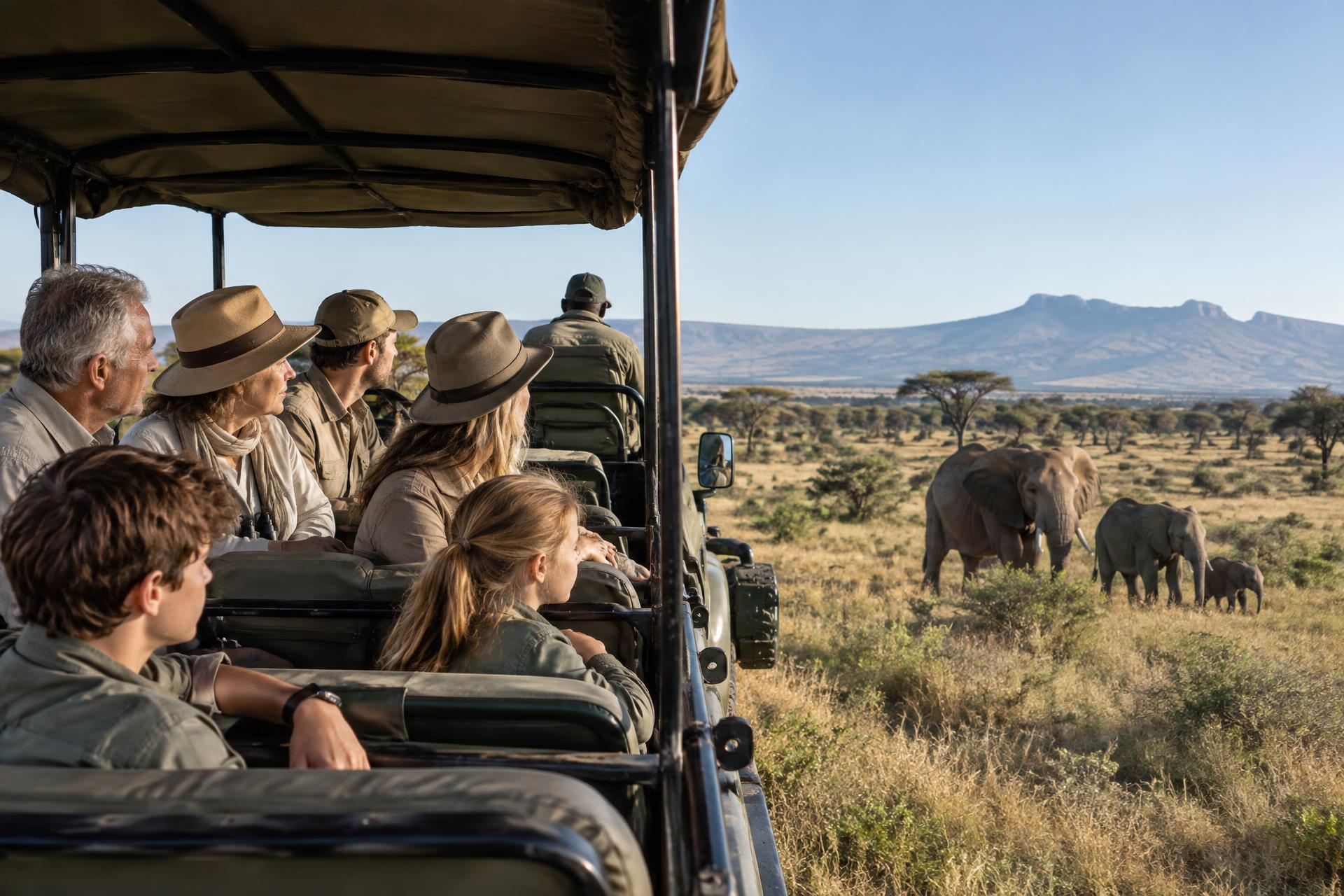
Wildlife photography on safari presents unique challenges and opportunities. Here's how to capture the magic of Africa's incredible animals.
Essential Equipment
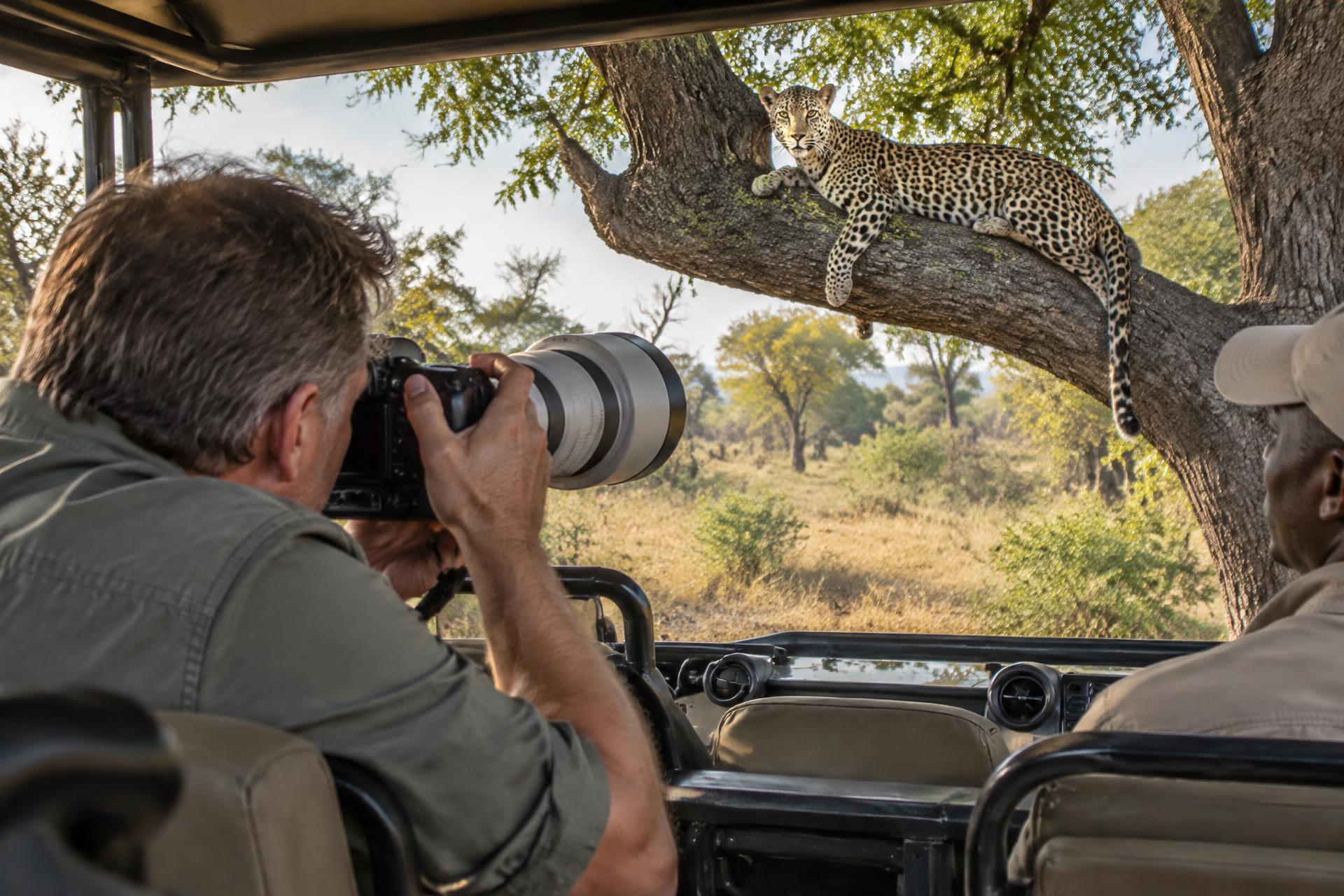
A telephoto lens (200-600mm) is essential for wildlife photography. Modern mirrorless cameras offer excellent autofocus for tracking moving animals. Don't forget extra batteries and memory cards – you'll shoot more than you expect!
Understanding Light
The golden hours around sunrise and sunset provide the most flattering light. Fortunately, this coincides with peak animal activity. Mid-day harsh light can work for black and white photography or dramatic silhouettes.
Patience and Anticipation
Great wildlife photography requires patience. Study animal behaviour to anticipate moments. A lion yawning, an elephant dusting, or a leopard stretching – these decisive moments separate memorable images from snapshots.
Composition Tips
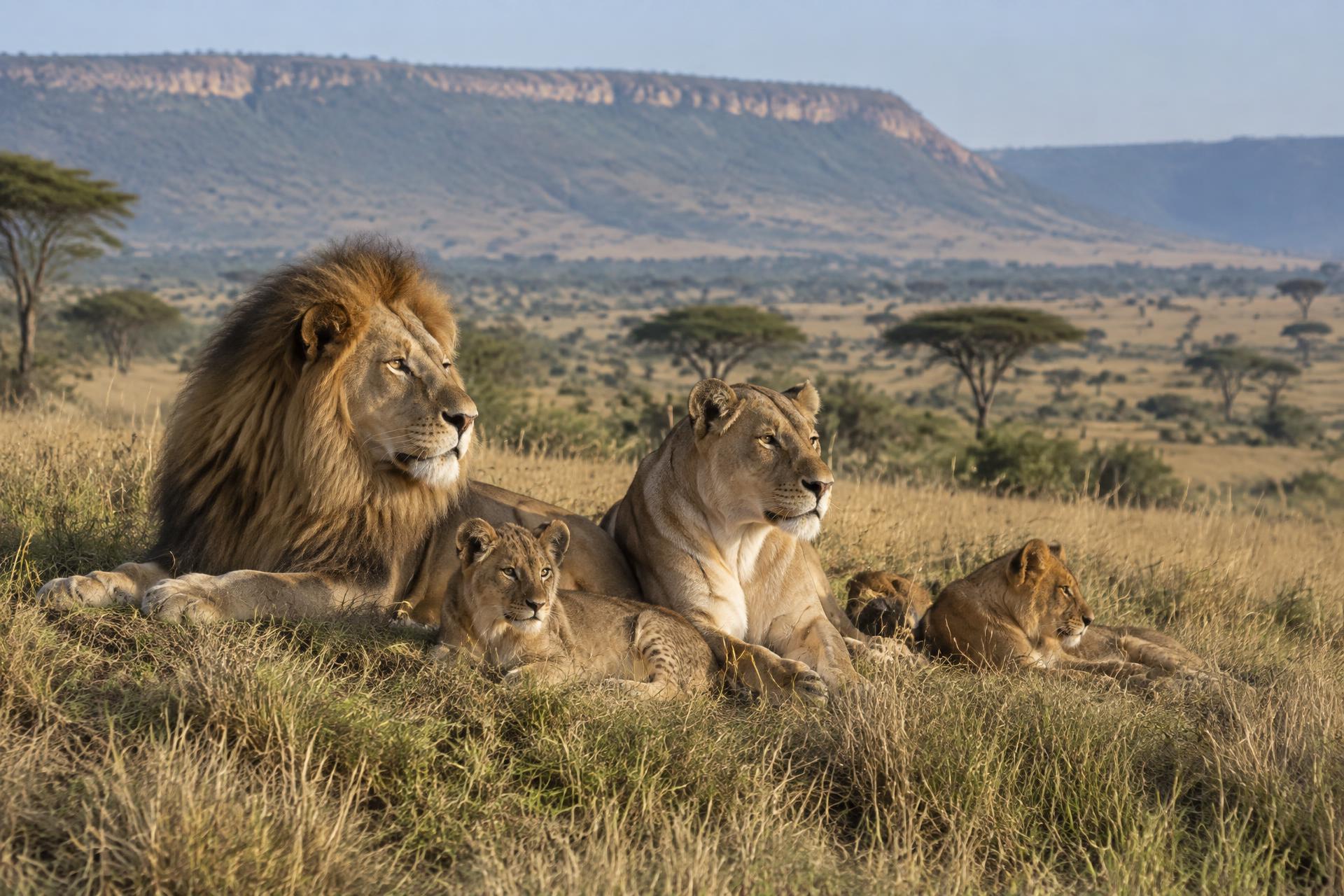
Leave space in the frame for animals to "move into." Eye-level shots create powerful connections. Include environment to tell a story about the animal's habitat and behaviour.